
More Than Chicken Soup

In the 70’s, they would have called them hippies.
In the 90’s, they were part of the New Age movement. Today, they are thought of as pioneers. The idea of holistic healing sounded esoteric 50 years ago, but over time science caught up with intuition and we know that good health is about body, mind, AND spirit. True healing is about the integration of all three aspects of what makes you…YOU! We also know that when things are not going well in any one of these three areas, our whole self is impacted. When we are depressed or anxious, it can cause upset stomach, poor sleep, headaches, and a variety of other symptoms. Together, these often bring down our spirit and make us feel disconnected. When our bodies are struggling with illness, it can be taxing on our minds and on our souls as we struggle to battle against the whatever’s invading us. And when our spirit is crushed due to heartbreak or fear or stress, it can manifest in both our bodies and minds. The more we learn, the more integrated and inseparable these three aspects of ourselves seem to be.
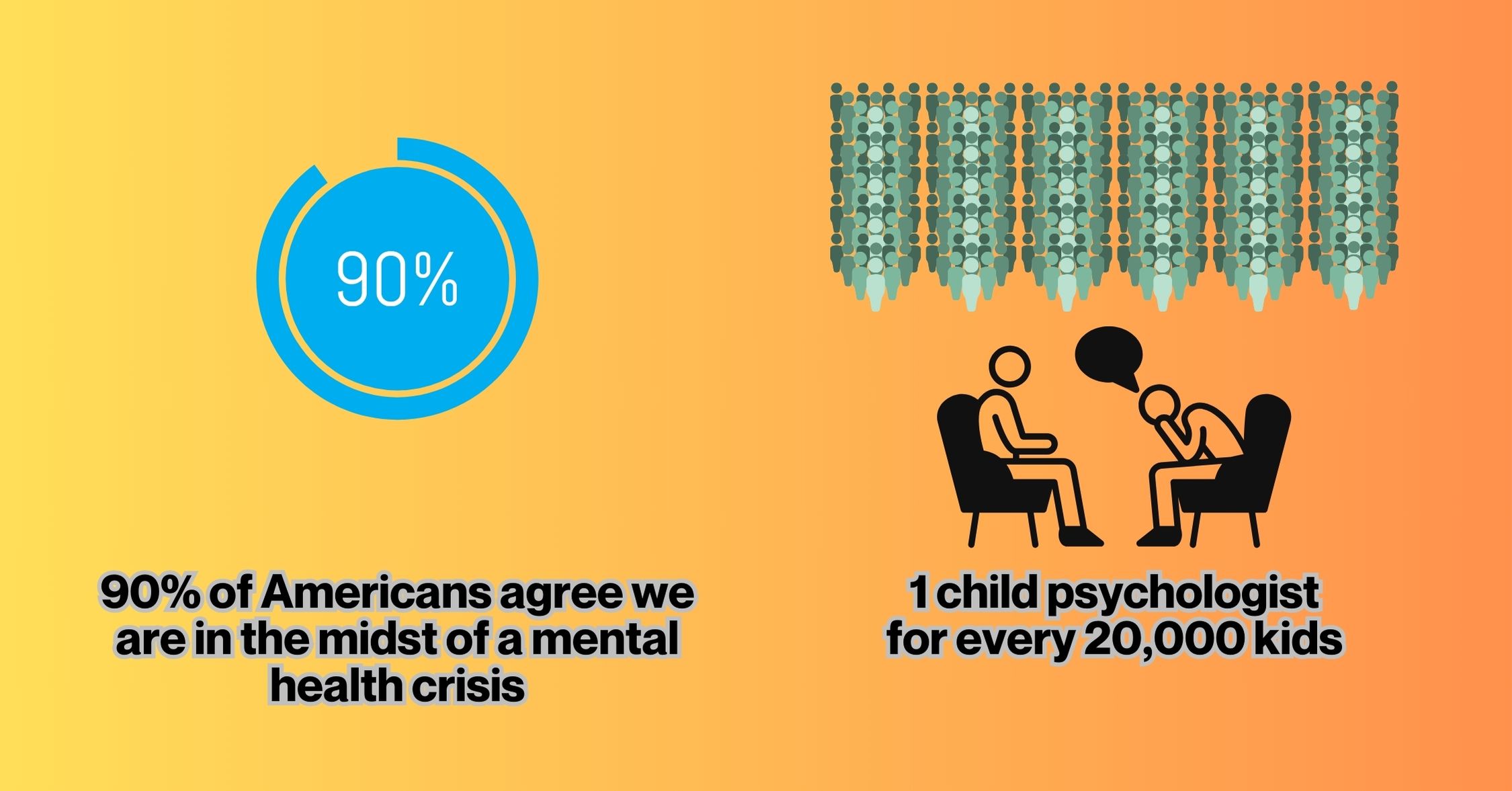
That’s what makes the mental health crisis in America so devastating.
It impacts more than just our mental well-being but invades every aspect of our lives and the lives of those around us. Today, nearly 90% of Americans believe we are in the midst of a mental health crisis with over 50% of adults saying either they or a family member has experienced a severe mental health crisis personally. Those problems range from suicide to self-harm to homelessness to drug overdoses to name just a few.[1] But even those in crisis don’t always get help, even when they want to. One in four adults said they thought they might need mental health services, but didn’t get them.[2] That’s more than 83 MILLION people.[3] Can you imagine that? The biggest impediments to getting care are probably not hard to guess: cost, lack of insurance coverage, and not enough providers.[4] “Sixty percent of psychologists reported having no openings for new patients…” in the latest 2022 survey.[5] It gets even worse for kids. According to the American Psychological Association, half of the children who have a mental health disorder do not get the treatment they need, and this was before the pandemic.[6] It’s no wonder considering that for every 100,000 people under the age of 18, there are only about 5 psychologists trained to help them.[7] Five. That’s one psychologist for every 20,000 children. And those are centralized in usually urban and suburban areas. Children in rural neighborhoods generally don’t have access to any mental healthcare. Again, according to the APA that’s about 80% of the counties in America.[8] This doesn’t even take into account how mental illness contributes to homelessness or drug addiction.[9] It’s going to take more than chicken soup to solve this problem.

As Christians, we have a moral imperative to heal those who need it.
And that imperative is the same whether we are struggling physically, mentally, or spiritually. If you have a Bible or a Bible app with you, please go to the Gospel of Matthew, chapter 10 beginning with the first verse. We’re going to be reading today from Matthew 10:1-8. Now, when this passage takes place, it is still in the early stages of Jesus’ ministry, but already he was doing the miraculous and everywhere he went he did two things – share the Gospel and heal the sick. Share the Gospel and heal the sick. In Matthew 4, soon after he gathers the first of his disciples, the Bible tells us in verse 23, “23 Jesus went throughout Galilee, teaching in their synagogues, proclaiming the good news of the kingdom, and healing every disease and sickness among the people.” In Matthew, we see a real focus on Jesus as healer. From that point in his ministry to the part we’re going to be reading about this morning, Jesus goes on a healing spree. He heals a man with leprosy, a centurion’s servant, a paralyzed man, a dead girl and her mother, two blind men, and a man made mute by demon-possession. He even healed Peter’s mother-in-law! Funny thing, I never pictured Peter being married. But there it is. Anyway, that’s where we pick up in our reading for this morning. Jesus is gathering the twelve disciples together for the first time and sending them out into the world.
1 Jesus called his twelve disciples to him and gave them authority to drive out impure spirits and to heal every disease and sickness. 2 These are the names of the twelve apostles: first, Simon (who is called Peter) and his brother Andrew; James son of Zebedee, and his brother John; 3 Philip and Bartholomew; Thomas and Matthew the tax collector; James son of Alphaeus, and Thaddaeus; 4 Simon the Zealot and Judas Iscariot, who betrayed him.
5 These twelve Jesus sent out with the following instructions: “Do not go among the Gentiles or enter any town of the Samaritans. 6 Go rather to the lost sheep of Israel. 7 As you go, proclaim this message: ‘The kingdom of heaven has come near.’ 8 Heal the sick, raise the dead, cleanse those who have leprosy, drive out demons. Freely you have received; freely give. – Matthew 10:1-8
As always, Jesus was ahead of his time.
He doesn’t focus only on the physical needs of those he heals, but he seeks to heal them holistically by bringing together the physical and spiritual at the same time. Listen again to verses 6-8, “Go rather to the lost sheep of Israel. As you go, PROCLAIM THE MESSAGE: ‘The kingdom of heaven has come near (meaning Jesus).’ Heal the sick, raise the dead, cleanse those who have leprosy, drive out demons….” Proclaim the message and heal the sick. We heard that same theme in Matthew 4 earlier when Matthew tells us that Jesus proclaimed the good news and healed every disease and sickness among the people. And again in chapter 9 where it says in verse 35, “35 Jesus went through all the towns and villages, teaching in their synagogues, proclaiming the good news of the kingdom and healing every disease and sickness.” Healing of both body and spirit went hand-in-hand. Physical healing alone can be a powerful witness to God’s power, but when Jesus healed, he did more than just cure them of their physical ailments. He also brought healing to their souls by giving them the hope we share in Christ. And that is something we as Christians can do in this time of crisis.
When you cast a vote this Fall, I hope you will consider this topic as part of your decision making.
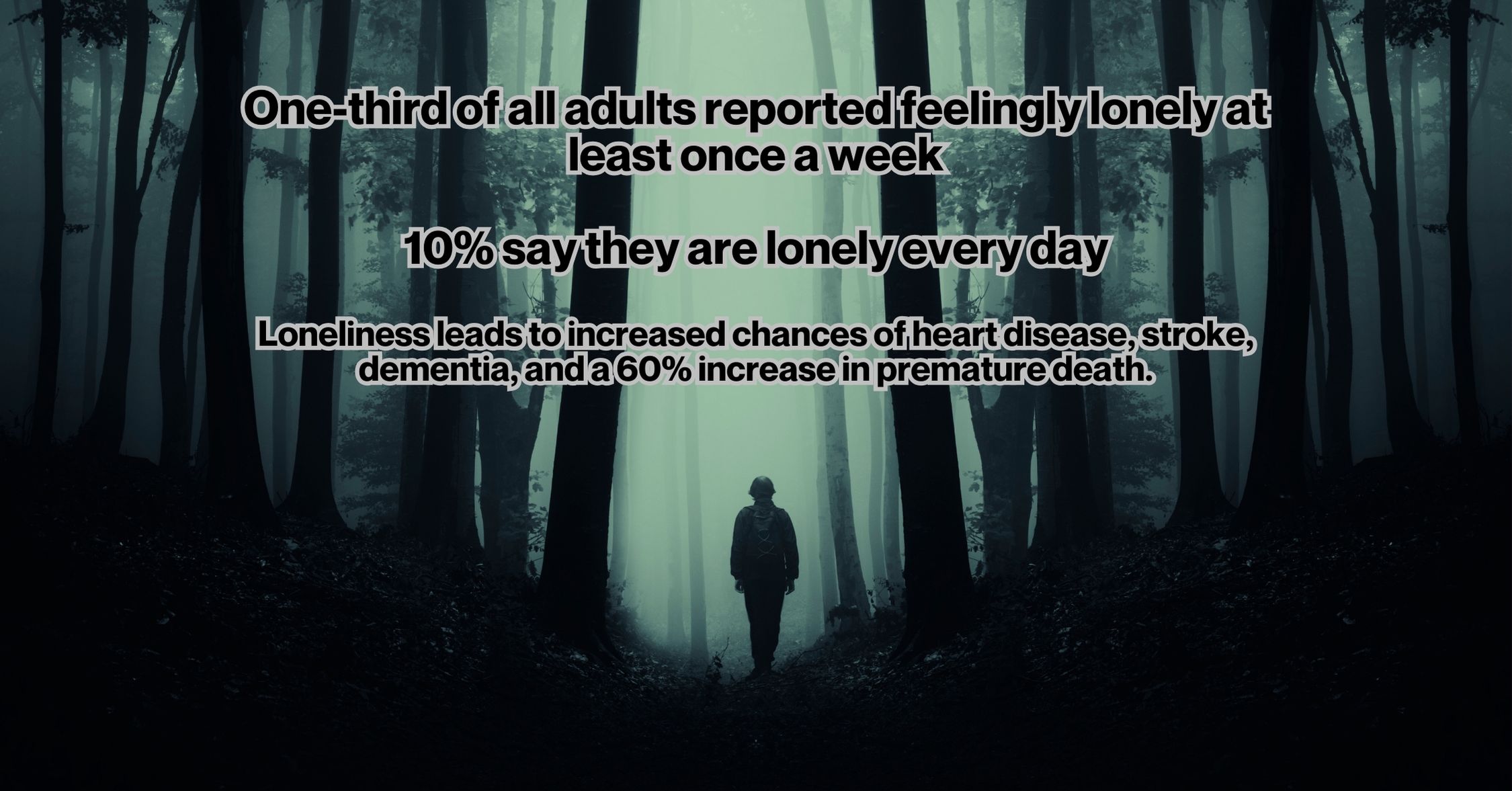
It’s important because some of the solutions to providing better care are beyond our grasp as individuals. But that doesn’t mean we are without tools. Obviously, prayer is a big tool in our tool kit, but the power of presence is often overlooked. You don’t need special training to be a presence in someone’s life. And sometimes just noticing when a person is not behaving the way they normally do is a small but important part in getting them the care they need before it becomes life-threatening. Another way we can help bring healing through presence is through invitation. One of the reasons we have our big events like the “End of Summer Potluck Celebration” and “Cookies and Carols” and the Easter Egg Hunt is to be a presence in our community and let them know we are here for them. But the even bigger reason is for you to have a chance to invite friends and family to come with you to these events and give them an opportunity to feel the loving presence of Christ in our church family. Just last year, the surgeon general declared an epidemic of loneliness and isolation. He said even before the pandemic, “half of U.S. adults reported experiencing measurable levels of loneliness.”[10] A poll by the APA showed that nearly a third of adults reported feeling lonely at least once a week, and 10% say they are lonely every day.”[11] Loneliness, often in the form of social disconnection, can lead to severe mental health challenges. What shocked me was to learn that loneliness can have the same impact on premature death as smoking daily![12] The Surgeon General reported that poor or insufficient connection includes a “29% increased risk of heart disease, a 32% increased risk of stroke, and a 50% increased risk of developing dementia in older adults.” As well as a 60% increase in premature death.[13] But more than that, loneliness leads to other consequences mentally including clinical depression and anxiety. The solution? More connection!
As a church, that is what we do well.
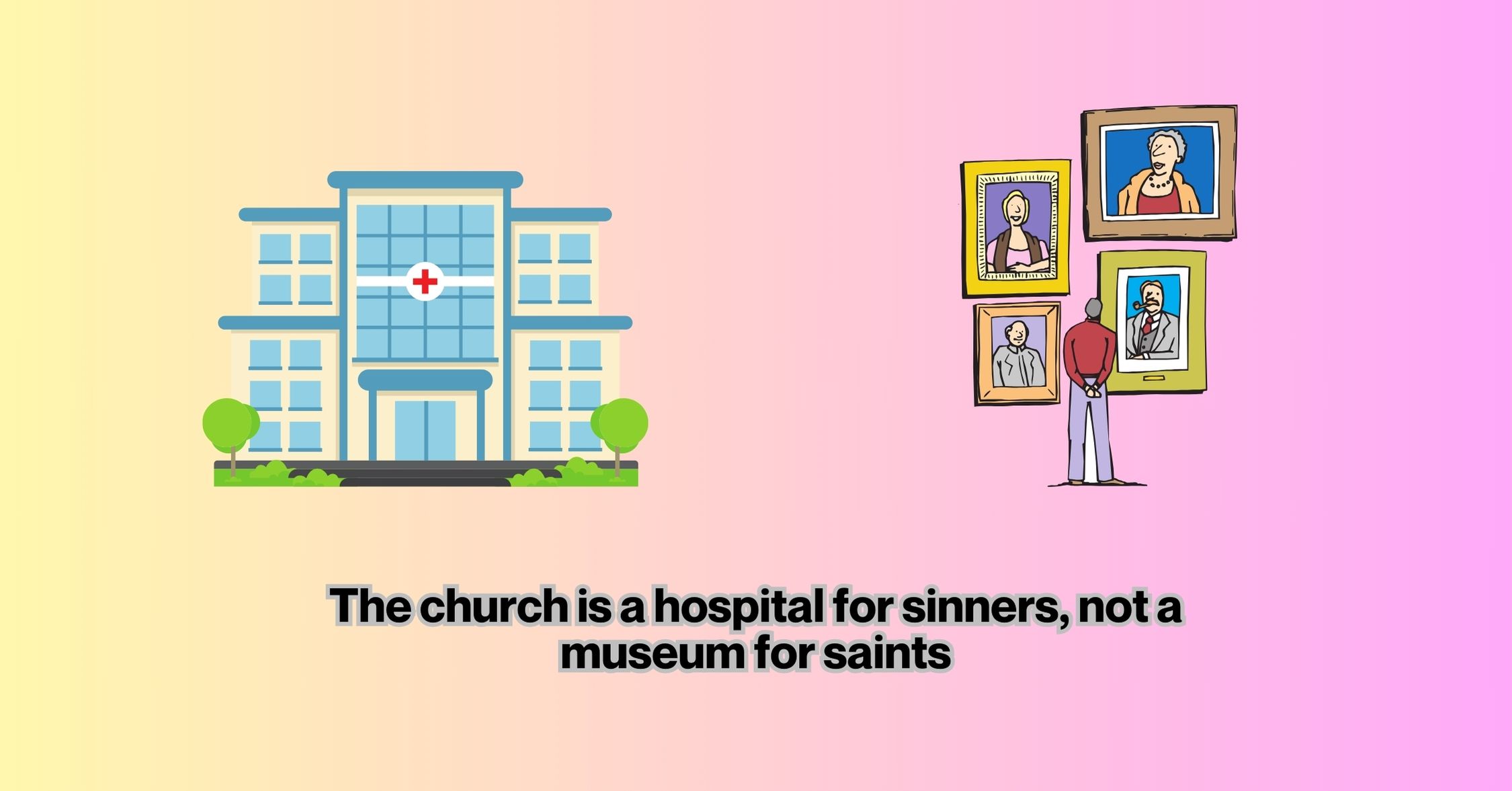
When we are at our best, the church is a community that not only provides social connection but links it to a future hope in Jesus Christ. The healing of mind, body, and soul is helped at least in part by a connection to a healing community like our church. I’m reminded of that famous quote, “the church is a hospital for sinners, not a museum for saints.”[14] We are in the business of healing. Sometimes that takes the form of just being here on Sunday mornings and getting your weekly dose of refreshment in Christ. Sometimes we heal through giving, whether that is through donations or through mission projects. And sometimes, it’s just by being here for one another – whether by prayer, in person, or from a distance. I want to encourage you this week to call, visit, or send a card to someone who might be alone and could use the company. Texting is great for people you keep in touch with regularly, but for a really personal touch a call, visit, or personal card is much better. With so many of us suffering from mental issues, keeping in touch can sometimes save a life. Medicine is certainly a blessing, and we have come so far in so little time. Even in my lifetime, cancer was basically a death sentence when I was a kid, and today so many forms are treatable. My kidney transplant would have been so much more rare if I needed it as a child. But the more we learn, the more we understand that healing is a multi-faceted process that involves more than just the body. Let us bring a light to this problem and do what we can to fight it head on. Because sometimes it takes more than chicken soup.
[1] https://www.kff.org/report-section/kff-cnn-mental-health-in-america-survey-findings/
[2] Ibid
[3] America’s population is 333.3 million people according to Google as of 2022.
[4] https://www.apa.org/monitor/2024/01/trends-pathways-access-mental-health-care and https://www.kff.org/report-section/kff-cnn-mental-health-in-america-survey-findings/
[5] https://www.apa.org/pubs/reports/practitioner/2022-covid-psychologist-workload
[6] https://www.cnn.com/2022/10/06/health/youth-parents-mental-health-kff-poll-wellness/index.html
[7] Ibid.
[8] Ibid.
[9] The problem is SO big we really can’t cover it all here. But if you’re interested in the intersection of these issues, Pew did a nice article summarizing it along with possibilities for solutions.
[10] https://www.hhs.gov/about/news/2023/05/03/new-surgeon-general-advisory-raises-alarm-about-devastating-impact-epidemic-loneliness-isolation-united-states.html
[11] https://www.axios.com/2024/05/24/mental-health-pandemic
[12] Op Cit. hhs.gov article cited in 10.
[13] Ibid.
[14] While a very famous line who ACTUALLY originated it is highly debated. Augustine of Hippo is often credited but there are other sources that quote other people.
 Craig's Corner