
Waving Through A Window

I’m a huge Star Trek fan because of my mom.
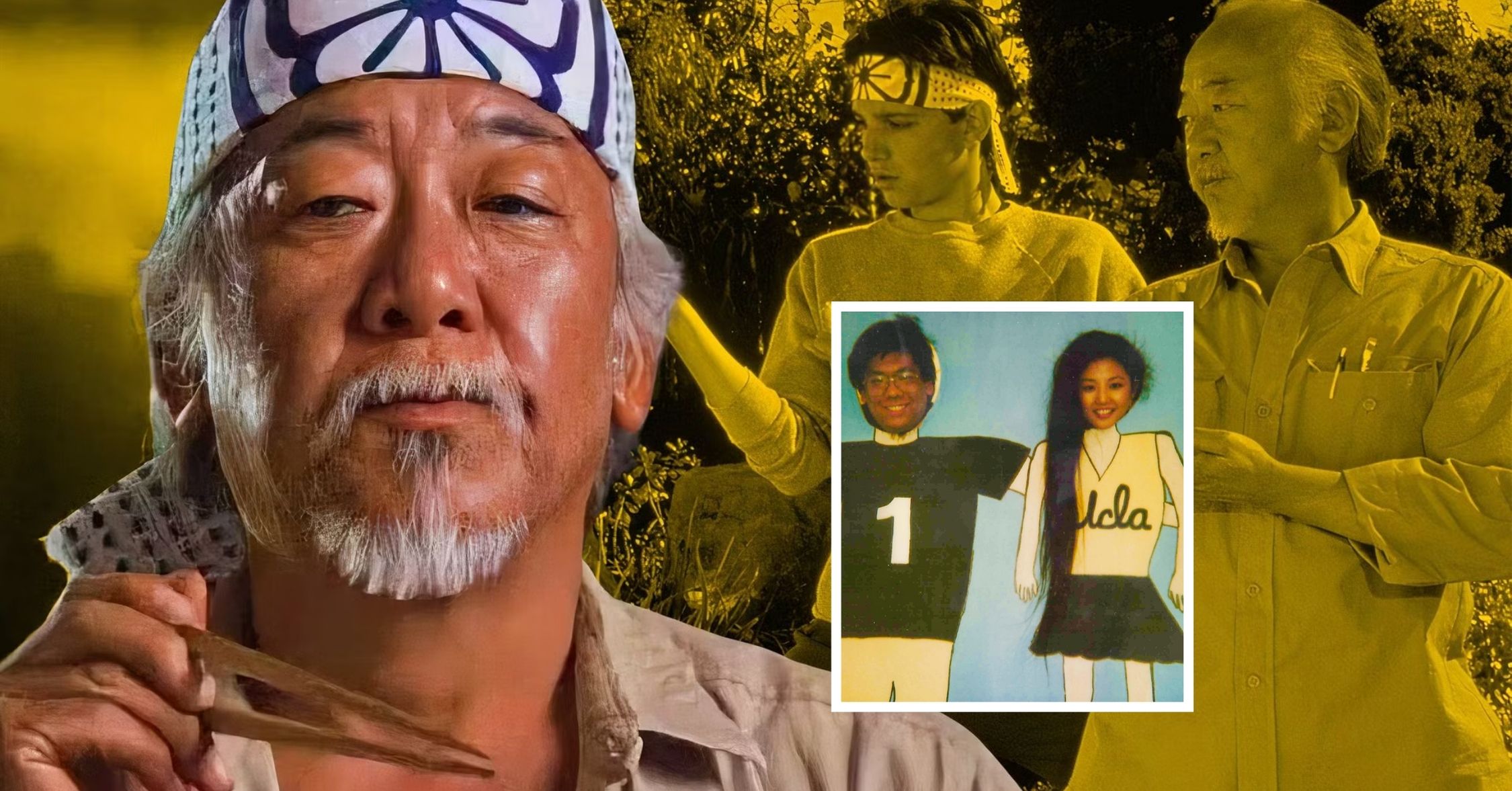
We would sit down in front of the television every day at 5pm to watch the original Star Trek on Channel 5 KTLA. It became an afternoon tradition with us, and I must have seen every episode multiple times. It was also the first time I can remember seeing someone who looked like me on mainstream TV that wasn’t in some way a mockery or put-down of Asian people. Maybe that’s why I loved Karate Kid so much and why I had such a huge crush on Tamlyn Tomita. Even though Mister Miyagi was portrayed as your typical Japanese gardener with a penchant for martial arts and a thick accent, he was cool and wise and turned the tables on most stereotypes of the day that portrayed Asians in secondary roles often subservient to other characters in the movie. Even today, a recent study showed that nearly half of all Asian characters on the screen are the “punchline or butt of the joke.”[1] There is no worse example than the character of Long Duk Dong in Sixteen Candles. Everything about him made him the butt of the joke and only served to insult people of Asian heritage. Research even shows that these stereotypes not only perpetuate the negative image of an entire group of people, but those who view it who are being stereotyped feel shame and anxiety over their portrayal, and it often serves to reinforce their inferior place in society.[2]
Representation matters.
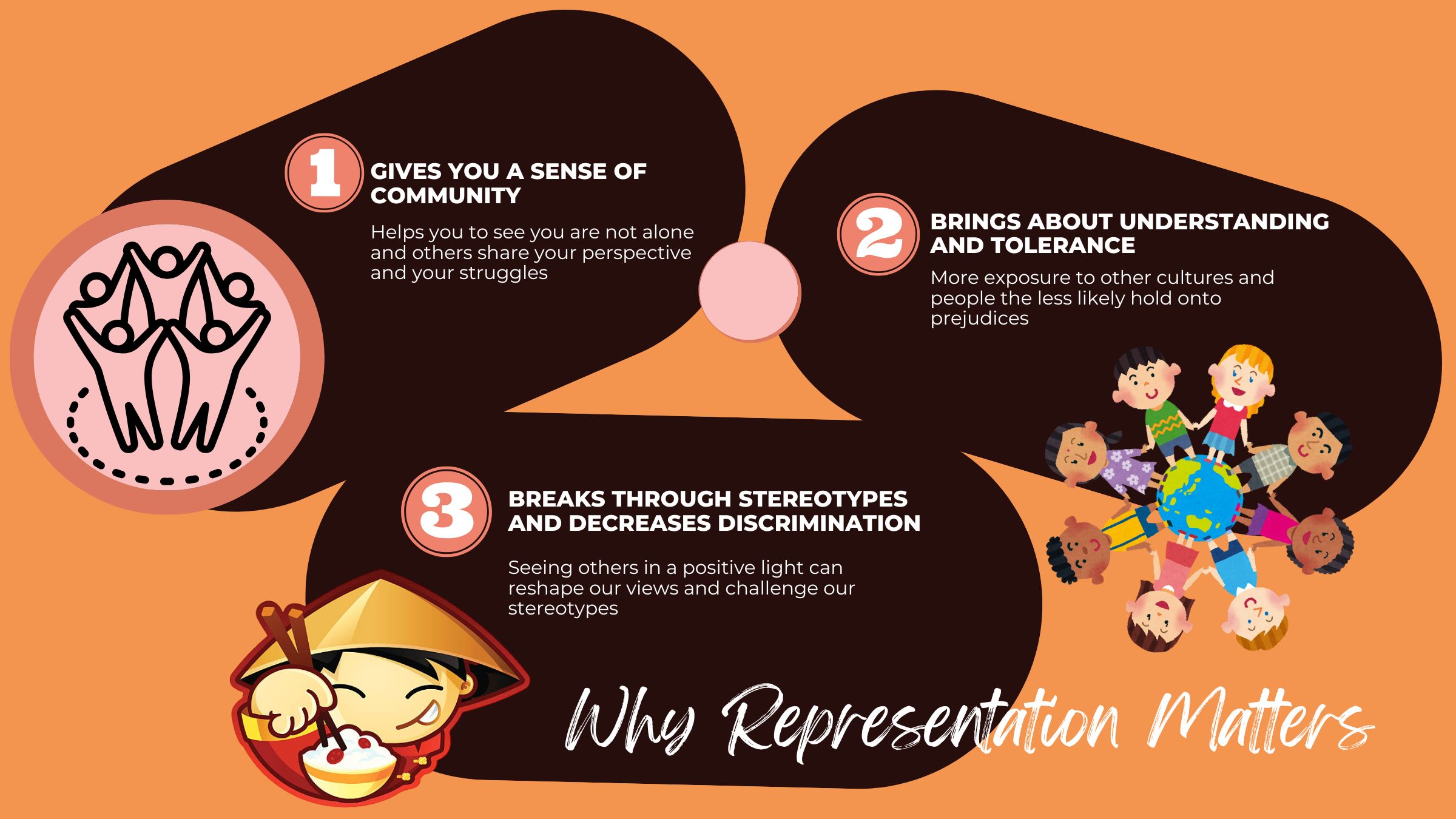
If you don’t believe me, this entire country was formed because of a lack of representation. It wasn’t racial but political and it moved an entire group of people to rebel against the powerful British empire. Most of us remember the phrase taught to us in elementary school – “No taxation without representation.” We wanted to be seen and not just be an afterthought. The same is true for marginalized people in our country today. We want to be seen and celebrated for who we are instead of forced to conform to the norms and expectations of the people around us. Representation matters for a number of reasons no matter your gender, your ethnic heritage, your size, or your identity. And here’s why:[3] It gives you a sense of community. Seeing yourself in media helps you to realize you are not alone. That other people are out there going through what you are going through. It brings about understanding and tolerance. According to Dr. Gordon Allport, researchers believe the more exposure we have to diverse cultures and points of view the less likely we are to maintain long-held prejudices.[4] It can break through stereotypes and decrease discrimination. When we see others in a positive light, it reshapes our view and challenges our stereotypes. We start to see the other as people and not caricatures. And we start to treat one another as the people God created us to be.
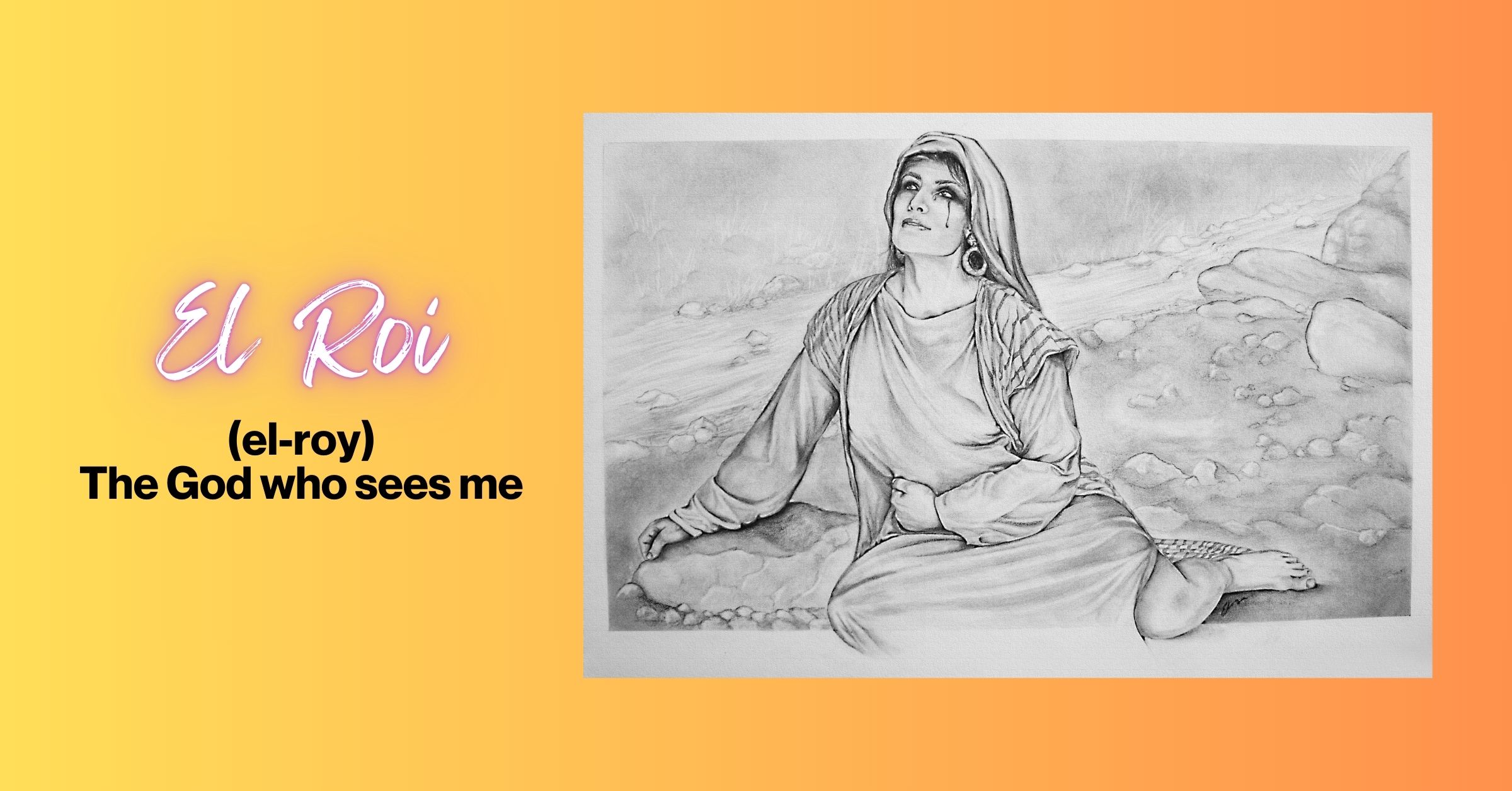
We can witness the effect of being seen in stories found in the Bible, too.
In the story of Hagar from Genesis 16, Hagar is a slave to Sarah, then called Sarai. Sarah as the story goes is unable to give her husband Abraham a child and so she invites her husband to sleep with Hagar in hopes they can have children. And it works! Except now Sarah is jealous and treats her slave so badly that Hagar runs away into desert. But God goes to Hagar and comforts her and promises to make her the mother of a great multitude and Hagar in gratitude gives God a new name – El Roi which means “The God who sees me.” Hagar feels so low after how badly Sarah treats her, but being recognized, being seen meant so much to her she gives God this new name. By the way, God comes through on his promise and Hagar becomes mother to Ishmael who is widely regarded as the founder of Islam, the second largest religion in the world. But then we see another story in the Bible where someone who is outcast by society is seen…
Now he had to go through Samaria. 5 So he came to a town in Samaria called Sychar, near the plot of ground Jacob had given to his son Joseph. 6 Jacob’s well was there, and Jesus, tired as he was from the journey, sat down by the well. It was about noon. 7 When a Samaritan woman came to draw water, Jesus said to her, “Will you give me a drink?” 8 (His disciples had gone into the town to buy food.)
9 The Samaritan woman said to him, “You are a Jew and I am a Samaritan woman. How can you ask me for a drink?” (For Jews do not associate with Samaritans.) 10 Jesus answered her, “If you knew the gift of God and who it is that asks you for a drink, you would have asked him and he would have given you living water.”
11 “Sir,” the woman said, “you have nothing to draw with and the well is deep. Where can you get this living water? 12 Are you greater than our father Jacob, who gave us the well and drank from it himself, as did also his sons and his livestock?” 13 Jesus answered, “Everyone who drinks this water will be thirsty again, 14 but whoever drinks the water I give them will never thirst. Indeed, the water I give them will become in them a spring of water welling up to eternal life.”
15 The woman said to him, “Sir, give me this water so that I won’t get thirsty and have to keep coming here to draw water.”
16 He told her, “Go, call your husband and come back.”
17 “I have no husband,” she replied.
Jesus said to her, “You are right when you say you have no husband. 18 The fact is, you have had five husbands, and the man you now have is not your husband. What you have just said is quite true.”
19 “Sir,” the woman said, “I can see that you are a prophet. 20 Our ancestors worshiped on this mountain, but you Jews claim that the place where we must worship is in Jerusalem.”
21 “Woman,” Jesus replied, “believe me, a time is coming when you will worship the Father neither on this mountain nor in Jerusalem. 22 You Samaritans worship what you do not know; we worship what we do know, for salvation is from the Jews. 23 Yet a time is coming and has now come when the true worshipers will worship the Father in the Spirit and in truth, for they are the kind of worshipers the Father seeks. 24 God is spirit, and his worshipers must worship in the Spirit and in truth.”
25 The woman said, “I know that Messiah” (called Christ) “is coming. When he comes, he will explain everything to us.”
26 Then Jesus declared, “I, the one speaking to you—I am he.”
27 Just then his disciples returned and were surprised to find him talking with a woman. But no one asked, “What do you want?” or “Why are you talking with her?”
28 Then, leaving her water jar, the woman went back to the town and said to the people, 29 “Come, see a man who told me everything I ever did. Could this be the Messiah?” 30 They came out of the town and made their way toward him
Many of the Samaritans from that town believed in him because of the woman’s testimony, “He told me everything I ever did.” 40 So when the Samaritans came to him, they urged him to stay with them, and he stayed two days. 41 And because of his words many more became believers.
42 They said to the woman, “We no longer believe just because of what you said; now we have heard for ourselves, and we know that this man really is the Savior of the world.” – selections from John 4
She was seen and it changed her life forever.
Samaritans were marginalized people during Jesus’ time, much like tax collectors and people with leprosy. They were shunned and it even says so in this passage. Verse 9, “for Jews do not associate with Samaritans.” This was an understatement. Samaritans were considered not worthy of the Jewish people. When it says they didn’t associate with them, the Jewish people treated them like pond scum. But not Jesus. Instead, Jesus spends time with her, and it confuses her because this is not how it is supposed to be. But he not just spends time with her, but he KNOWS her. He SEES her in a way that no one else ever had and he was Jewish which made it even more remarkable. When he spends time with the other Samaritans, they feel seen too and come to faith in Christ. Being seen. Being known. It can transform a person.
As God’s people we have to do a better job of making people feel seen and heard.
We need to be in conversation with those who are not like us and take the time to know them. We need to challenge ourselves to learn about other cultures and other places and other ways of thinking. Not to change our minds or make us more like them, but so we can better know ourselves in relation to the world and so we can recognize that people unlike us have value and worth to the Kingdom of God. This is how we can show love to those around us, by seeing them and hearing them and VALUING them as children of God.

My entire life I had never felt what it was like to see myself reflected in the society around me.
That is until I went to Hawaii for the first time. There are so many people of Japanese heritage on the islands that for the first time I didn’t feel like I was different. The food was all food I grew up with and loved. They even had Asian food at the local McDonald’s! I’ll never forget driving past and seeing a sign in the window for Portuguese Eggs and Rice – in a McDonald’s! The malls were filled with culturally relevant stuff I could relate to. Everywhere we went, the things I had to seek out back at home were everywhere. It seems like a small thing, but when you live your life on the margins it feels oddly empowering to suddenly be at the center. You start to feel like anything is possible. And that’s what God wants for all of his children – to believe anything is possible. In the name of the Father and of the Son and of the Holy Spirit. Amen.
[1] https://www.nbcnews.com/news/asian-america/almost-half-all-asian-roles-serve-punchline-study-finds-n1276103
[2] https://www.scholarsandstorytellers.com/blog/diversity-in-hollywood-how-to-write-asian-characters-more-effectively
[3] The information here comes from two sources although many others support those sources: https://www.blackillustrations.com/blog/representation-matters-5-reasons-representation-in-media-matters and https://www.psychologytoday.com/us/blog/psychology-the-people/202112/why-representation-matters-and-why-it-s-still-not-enough
[4] Ibid. Psychology Today.
 Craig's Corner