
I’m An American

5 You are all children of the light and children of the day. We do not belong to the night or to the darkness. 6 So then, let us not be like others, who are asleep, but let us be awake and sober. 7 For those who sleep, sleep at night, and those who get drunk, get drunk at night. 8 But since we belong to the day, let us be sober, putting on faith and love as a breastplate, and the hope of salvation as a helmet. 9 For God did not appoint us to suffer wrath but to receive salvation through our Lord Jesus Christ. 10 He died for us so that, whether we are awake or asleep, we may live together with him. 11 Therefore encourage one another and build each other up, just as in fact you are doing.
– 1 Thessalonians 5:5-11
Racism can be subtle.
It doesn’t have to be men with pointed hoods and robes burning crosses on the lawn. It’s not always found in name-calling and ethnic slurs. Sometimes racism can be found in the little assumptions we make about other people because of what they look like or what we see on TV. Sometimes racism can be found in the way we choose not to include others who don’t seem to “fit in” to our group.
And sometimes racism can be found in the seemingly innocent comments of little children.
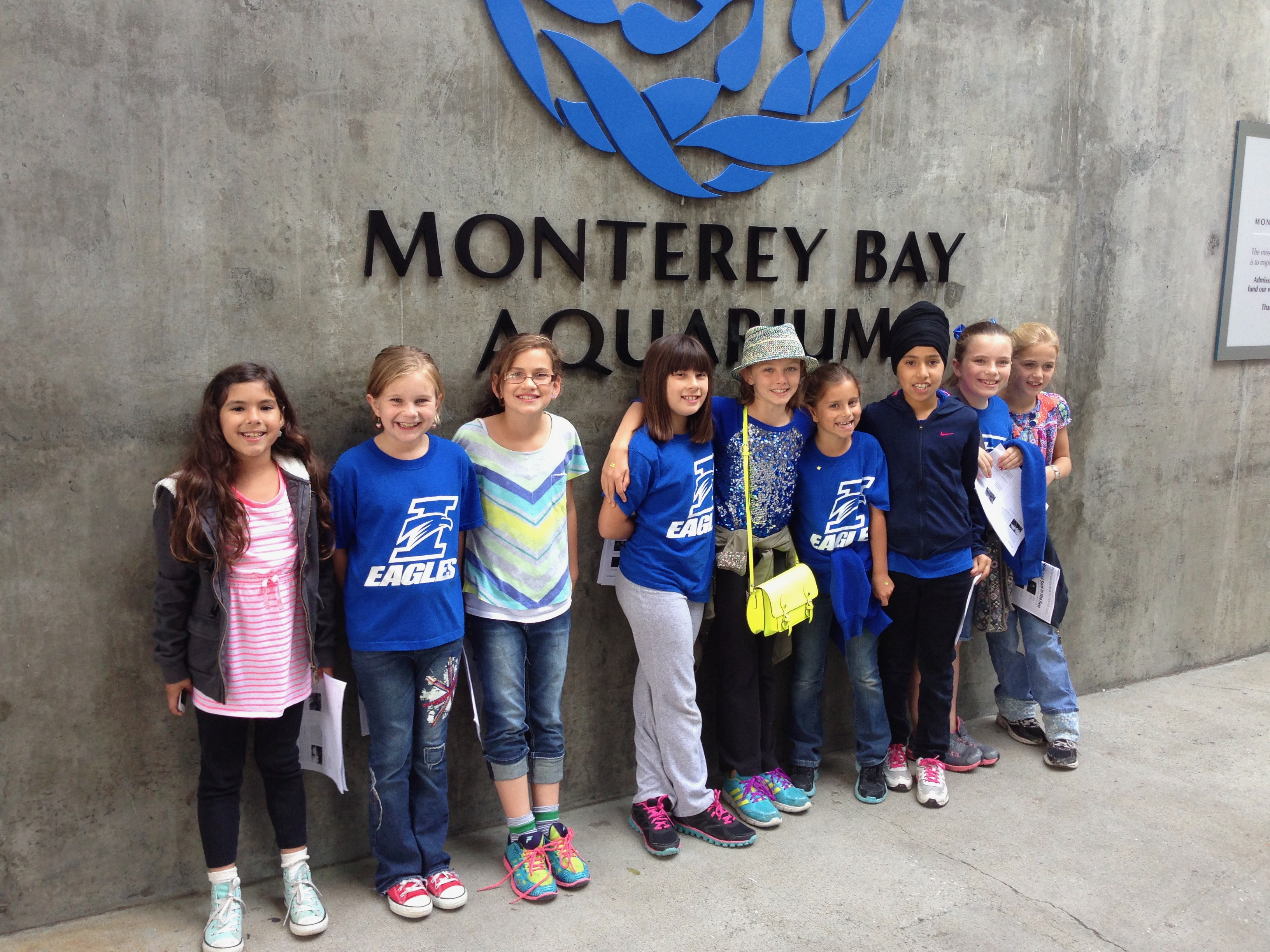
Emma and I were on a school field trip back in third or fourth grade. She and one of her friends were sitting across from me on the bus when out of nowhere this Caucasian boy in her class came up and asked her “What are you?” At first, my daughter gave him a quizzical look as she tried to figure out what he was asking. Finally, she just responded by saying, “Huh?” And he repeated again, “What are you?” And then added, “I mean are you Chinese or something?” Now, just for full disclosure, my ethnic background is Japanese and Cassie is Caucasian, so Emma is a beautiful mix of the two of us and she answered, “Oh, I’m Japanese, but I have some American Indian and some English and some other stuff, too. What about you?” And this is where it gets me.
“I’m an American.”
I have to admit to being offended, even by this little kid. He said it like it’s his ethnicity. But unless he’s 100% Native American, which from his light-colored hair, green eyes, and fair color skin I’m guessing he isn’t, he has some immigrant blood in his veins, too. So, I spoke up, “Emma’s an American, too. So am I. We were all born here.” And then he said with some conviction,
“Yeah, but I’m an American American.”
What do you say to that? Do you feel bad for him that he has no sense of ethnic identity? Do you try to make him understand that being American isn’t about race but citizenship? Or do you just wonder what kind of parents don’t teach their kids the difference? I don’t blame the kid. Honestly, I don’t. He only knows what he’s been taught – or not taught – by his parents, his environment, sometimes by the media and pop culture that fails to include the rich diversity of life we find every day whether we acknowledge it or not.
Cognitively, I’m sure he’ll learn (one day) that being “American” is not an ethnicity, but I wonder if he’ll ever totally understand he’s not “more American” than other people who look different than he does. He might acknowledge it, but this attitude that somehow some of us are less worthy of being American is one that seeps into our national landscape.
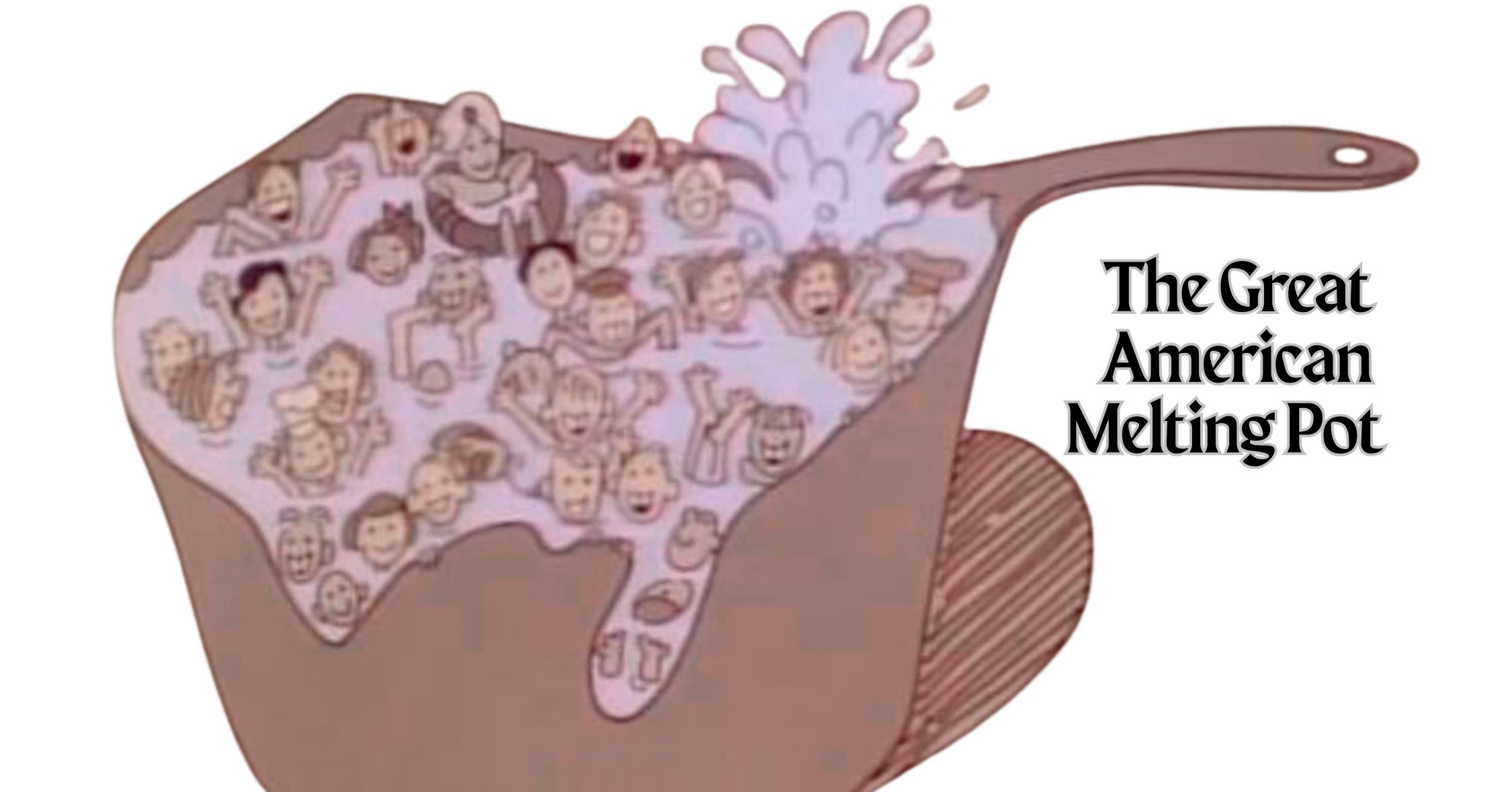
And that landscape is changing. It’s estimated by 2043 White, non-Hispanic people will no longer be in the majority.[1] In New Mexico and California, Hispanic people now make up the largest single ethnic group in those states.[2] Our idea of what it means to be “American” is shifting rapidly, and some people are having a very difficult time adjusting to that, but I think this shift is a great thing! As more and more people are added to the Great American Melting Pot, the stew inside becomes even more flavorful.

Already the vast number of different cultures in our country have influenced how we eat.
We think of California Rolls as sushi, but they’re called “California” for a reason. Nobody living in Japan thought of stuffing avocado into rice and seaweed. Sweet and sour anything SEEMS Chinese but really was invented in America to make traditional Chinese food more palatable to people in the States. And don’t get me going about fortune cookies! Whatever California native thought of that was a marketing genius![3]
Racism doesn’t have to be openly vicious or harmful.
That little boy’s comment on the bus didn’t use a racial slur or say something negative directly to me or Emma. But think about what he said. He said, “I’m superior to you because I’m a real American and you’re not.” He wasn’t intellectual sophisticated enough to purposely think that, but it’s what he meant. He was perpetuating a belief he was taught by his parents, society, movies, who knows. But it’s hurtful to be on the receiving end of a comment like that one. That somehow, based on the color of your skin or the shape of your eyes, you’re somehow less American. That somehow you don’t belong as much as other people.
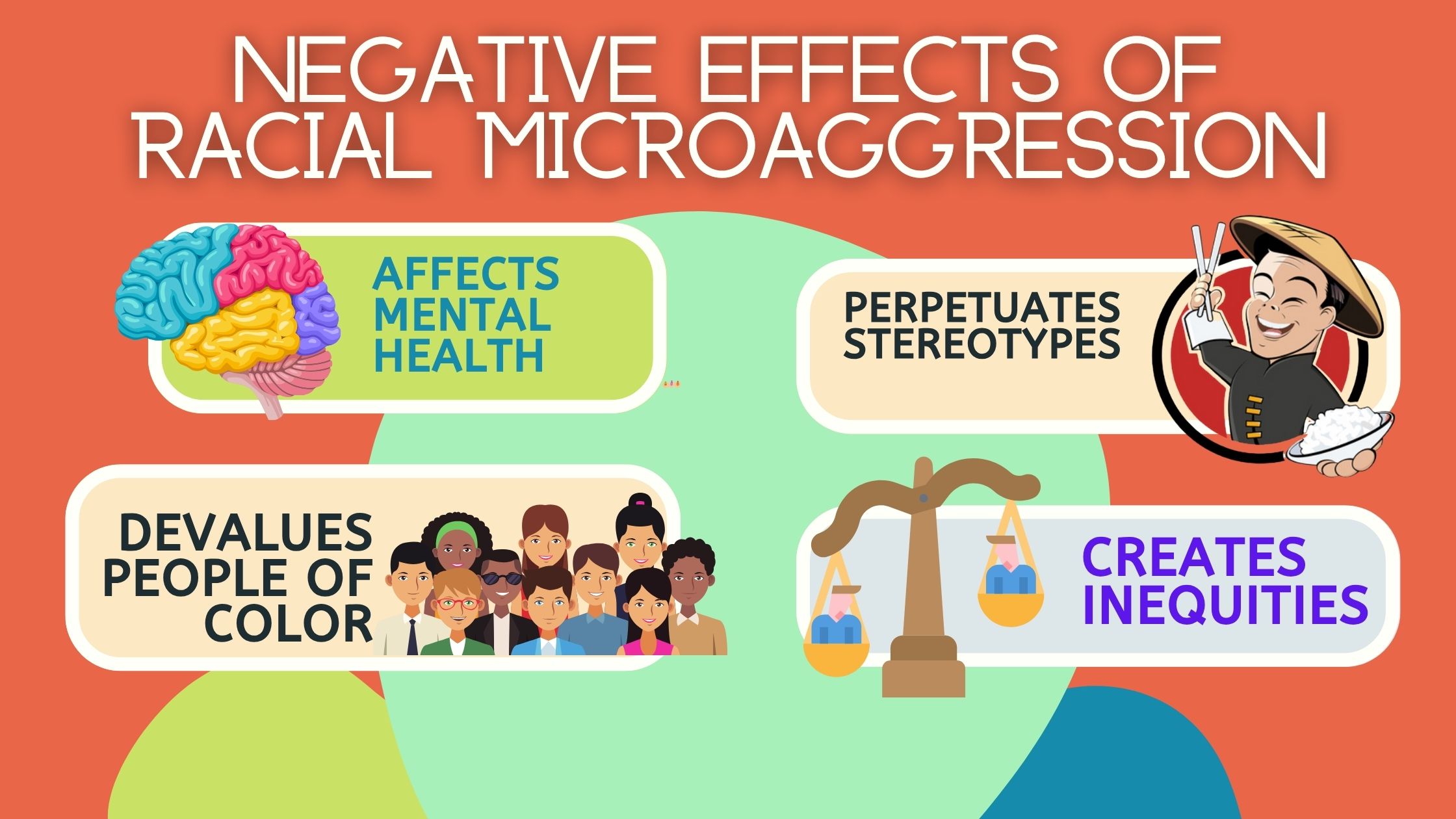
It’s called racial microaggression.
We’ve talked about this before. It’s “the brief and everyday slights, insults, indignities and denigrating messages sent to people of color by well-intentioned…people who are unaware of the hidden messages being communicated.”[4] Phrases like “What are you?” or “Where do you come from?” imply that you don’t belong. What’s worse is when you answer honestly and the person persists, “No, where do you REALLY come from? Where were you born?” It’s just a constant reminder that you aren’t one of us. These microaggressions don’t even have to be verbal. They can be non-verbal like when someone looks at you cross ways or clutches their purse more tightly as they walk by. Microaggressions can be environmental like the flying of a Confederate flag or doing the tomahawk chop at a baseball game. You might think, “well those things are trivial. Stop being so sensitive.” But it’s the cumulative effect of all of those tens, hundreds, thousands, and millions of microaggressions that create environments that sustain racism and stereotypes. In his research on racial microaggression, Dr. Sue, a leading expert on the topic, found that these tiny insults affect our mental health, create a hostile climate, perpetuate stereotypes, devalue people of color, and create inequities in education, employment, and health care.[5] And that’s only partially how they affect us and the world around us. We need to do our part by being more aware of what we do and what we say.
We need to work together to eradicate prejudice and stereotypes of all kinds.
They do nothing to uplift us and instead tear us down and apart. Hopefully, we’ll embrace the concept that America really is the Great American Melting Pot; that we are made better because we embrace and incorporate the cultures and ideas of those who come to this country. What makes America unique is that we are a truly heterogeneous society with no one origin story. What makes us unique is that everyone can be American. And what unites us is that everyone is a child of God.
[1] http://www.huffingtonpost.com/2012/12/12/census-hispanics-and-black-unseat-whites-as-majority-in-united-states-population_n_2286105.html
[2] http://www.pewresearch.org/fact-tank/2014/01/24/in-2014-latinos-will-surpass-whites-as-largest-racialethnic-group-in-california/
[3] http://www.infoplease.com/spot/fortunecookies.html
[4] I did leave out the word “white” because I don’t think you have to be white to level a racial microaggression. But the article is very helpful and well-written. https://www.psychologytoday.com/gb/blog/microaggressions-in-everyday-life/201010/racial-microaggressions-in-everyday-life
[5] Ibid.
 Craig's Corner