
Not By Bread Alone…
Why do we preach?
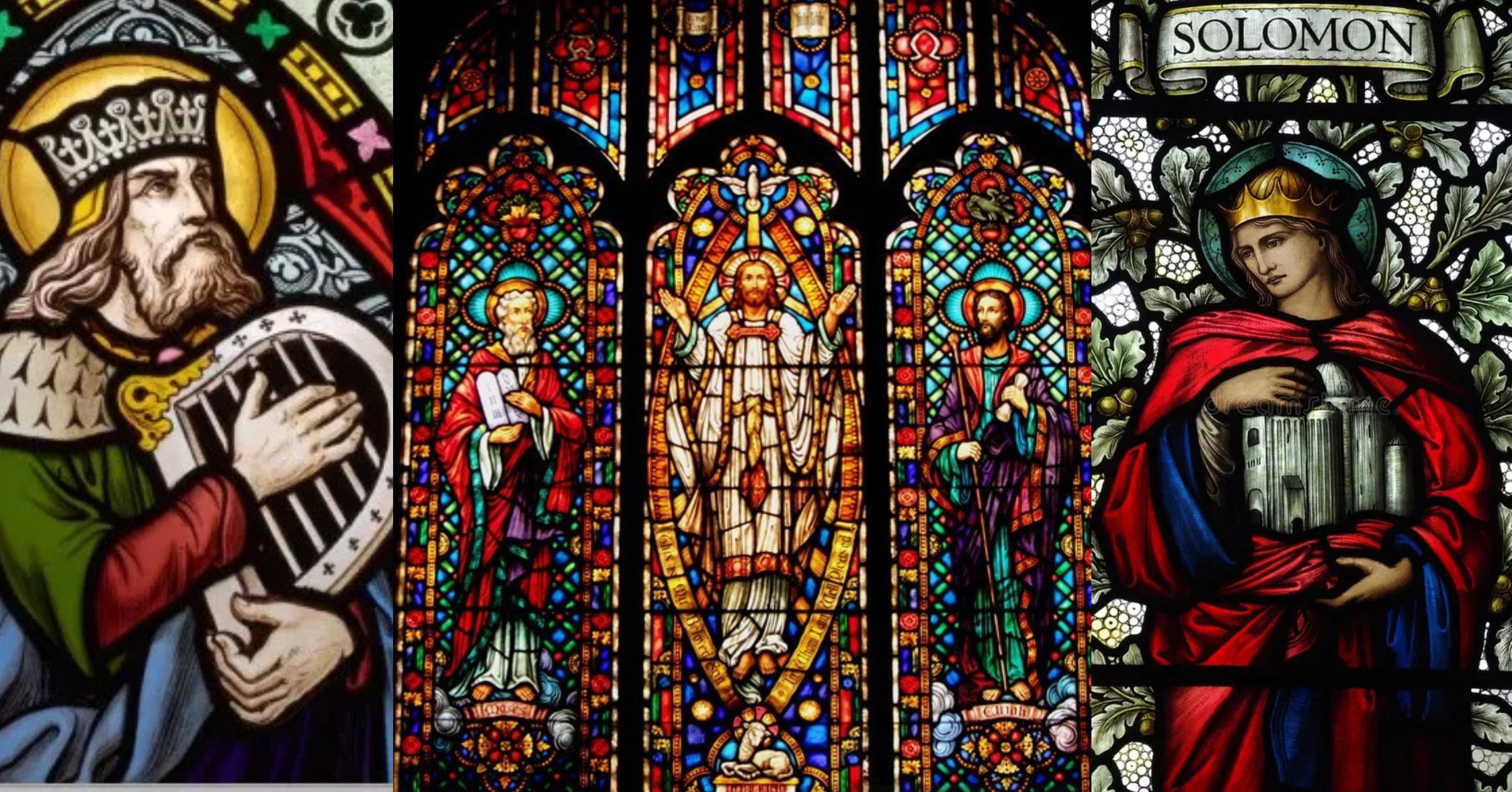
Why is there a message every Sunday? From the earliest days of worship, God gathered his people for the purpose of receiving his Word and God used ordinary, everyday people to deliver it. In the passage we just read in Deuteronomy we were reminded that it was God who gathered his people before Mt. Horeb[1] and in that gathering delivered to them the Word, literally. He gave Moses the Ten Commandments and appointed Moses to teach them to the people. It was also God who appointed Solomon, David, the prophets, and of course, Jesus. All great leaders, but also great teachers who shared the lessons of God. When Jesus left to return to God, he appointed the disciples to continue his work and imbued them with the Holy Spirit so they could go forth and proclaim God’s Word. In the passage we’ll be reading from this morning, Paul explains the importance of this task to Timothy. If you have a Bible or a Bible app on your phone, please go to 2 Timothy 4:1, 2 Timothy 4:1. These are Paul’s final instructions to Timothy. He says in verse 6 of that passage that he knows he is soon about to die, but he wants to leave these words as encouragement. He doesn’t start out in the best way. He tells him to expect hardship. He tells him to expect persecution. That having the protection of the Lord is a promise of salvation, but not freedom from the troubles of THIS place. And he tells Timothy something very important. He says to him in this letter that all he needs is imbedded in Scripture. That all Scripture is God-breathed, and that will be enough to teach, rebuke, correct, and train God’s people. Then he gives him these following words.
In the presence of God and of Christ Jesus, who will judge the living and the dead, and in view of his appearing and his kingdom, I give you this charge: 2 Preach the word; be prepared in season and out of season; correct, rebuke and encourage—with great patience and careful instruction. 3 For the time will come when people will not put up with sound doctrine. Instead, to suit their own desires, they will gather around them a great number of teachers to say what their itching ears want to hear. 4 They will turn their ears away from the truth and turn aside to myths. 5 But you, keep your head in all situations, endure hardship, do the work of an evangelist, discharge all the duties of your ministry. – 2 Timothy 4: 1-5
We hear from Paul the vital role sharing God’s Word plays in the life of his people.
It is used to correct, rebuke, and encourage – but I really like and appreciate what he adds right there at the end of verse 2. After a pause, he writes, “with great patience and careful instruction.” With great patience and careful instruction – as if to heighten the importance of those words. Preaching isn’t something you do at the last minute – although there are times when I feel like I’m reworking and refining up to the last minute. Preaching isn’t something you do extemporaneously. Preaching is a craft done with great patience and care because it’s that important. On average a good sermon takes about an hour to prepare for each minute preached. From experience that seems about right. It should take time to pray over the sermon, discern what God wants to be said, research to make sure what you’re sharing is accurate, and then writing it out. So much goes into a sermon because of what might become of those words. It can be the difference between turning people away from God or helping them hold fast to his Word in difficult and challenging circumstances. Paul writes there will come a time when people turn away from the truth and instead turn to myths. Today, that might mean other religions, or it might mean relying on money, wealth, or power. It might mean turning to false beliefs. What we share and how we share it can influence the power of these “myths” over people’s lives.
But this isn’t just for preachers.
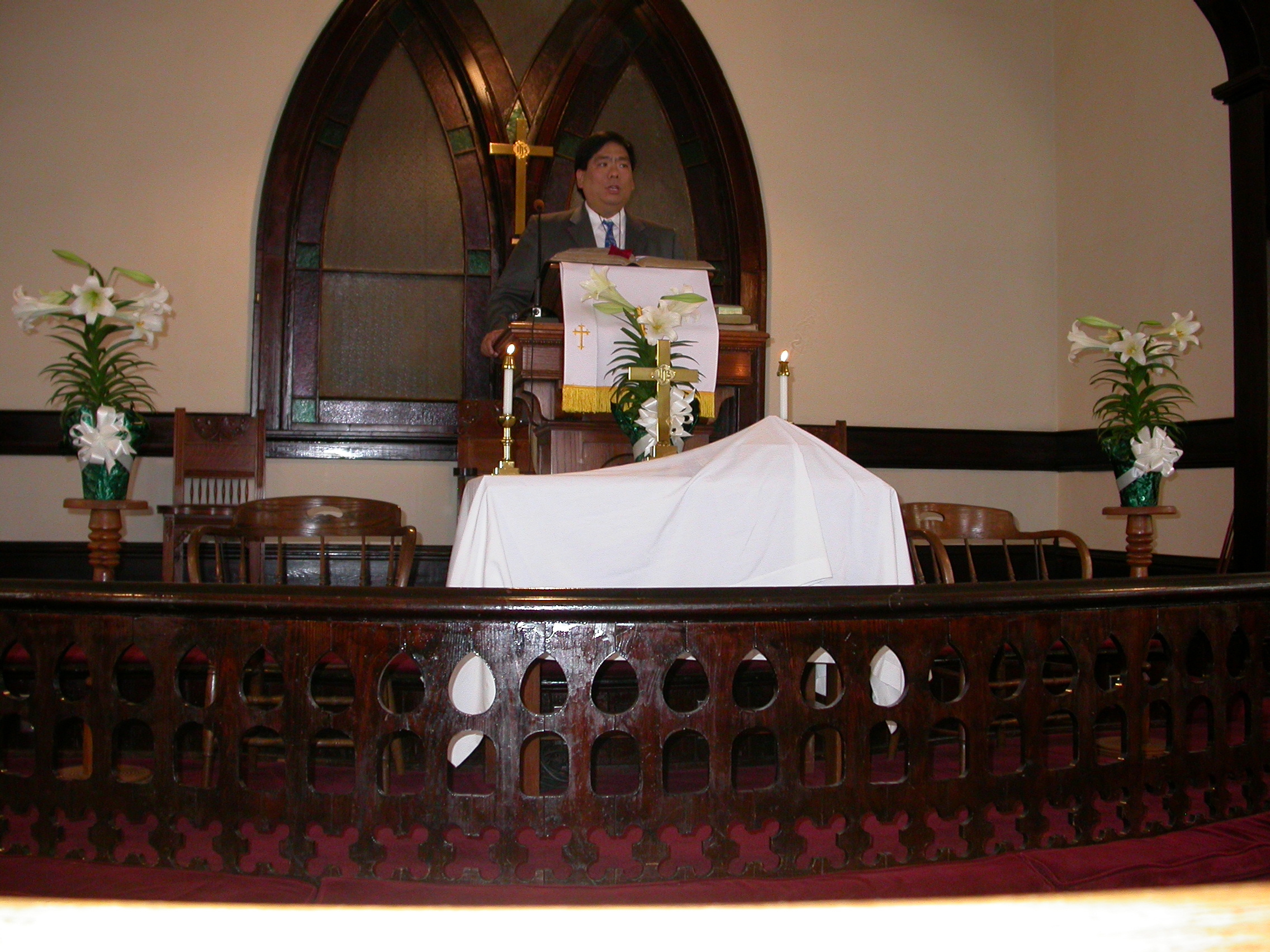
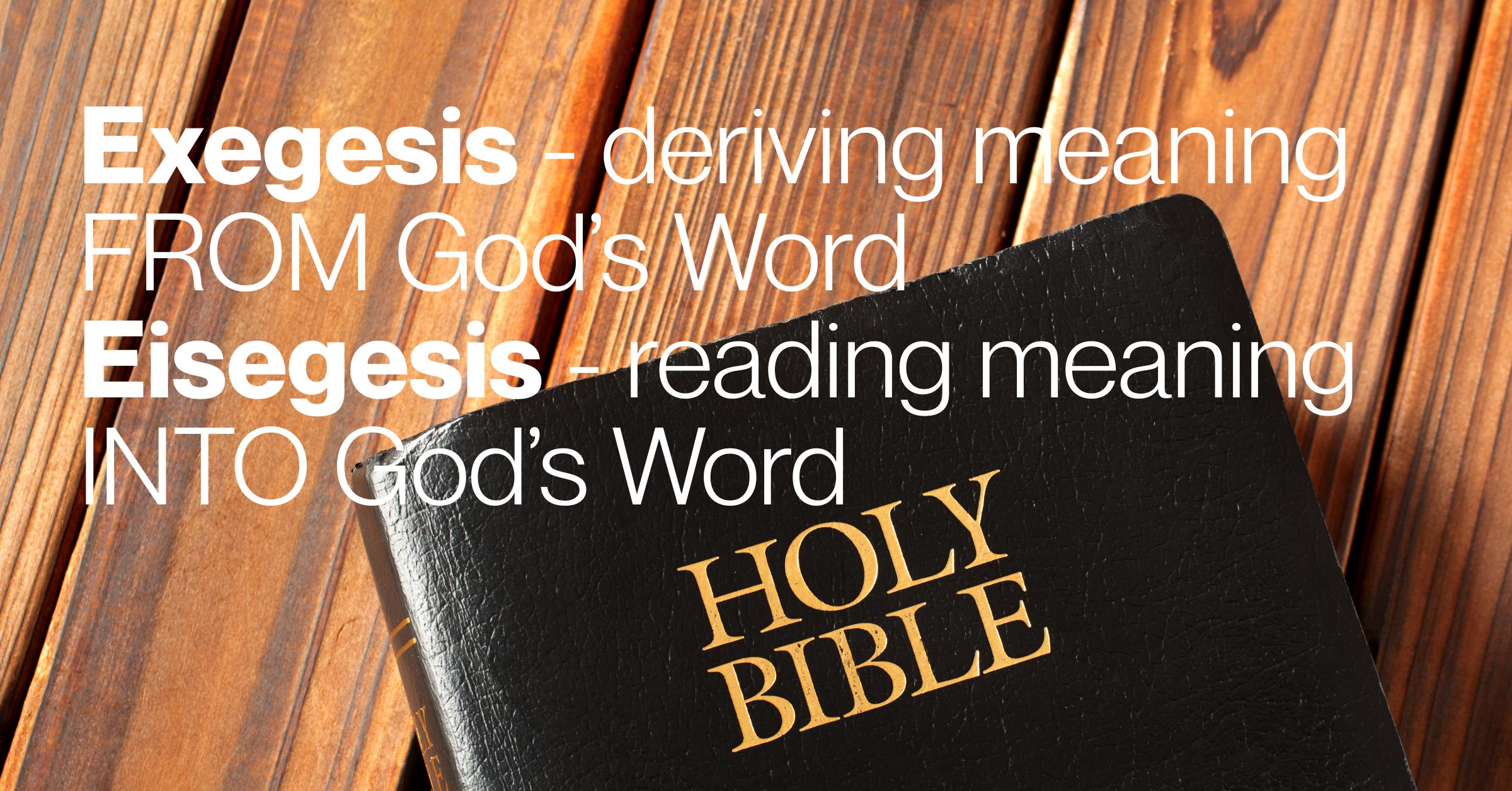
It’s a lesson for all of us. All of us have the capacity and the duty to share God’s Word. Whether you’re standing in the pulpit or sharing what the Bible says with a friend. God wants us to find our own ways of sharing God’s Word, so it’s important we share what God wants us to say instead of injecting our own words into it. It’s a danger we always have when using the Bible to tell people what God wants. Are we saying what God wants us to say or are we saying what we want the Bible to say? This is what scholars call exegesis and eisegesis. Exegesis is deriving meaning FROM God’s Word as opposed to eisegesis, which is reading meaning INTO God’s Word. Now eisegesis is probably easiest to see when you hear people quoting Scripture to justify outrageous or horrible things done in the name of God – bombing abortion clinics or killing members of the LGBTQ+ community. But those are extremes. It’s the subtle ways we misinterpret the Bible that are sometimes the most dangerous of all. One that is always troubling is when people say, “It’s all part of God’s plan.” When people say it, they are trying to offer hope, but when you pull on that string it all starts to unravel. Pretty soon, we start to wonder if all the horrible things of the world are also “part of God’s plan.” Was the Holocaust “part of God’s plan?” Was my divorce and everything that led up to it “part of God’s plan?” Was getting a disease “part of God’s plan?” Of course not. And that’s why it’s so important to be careful how we talk about God and it’s why Paul encourages us to be patient and careful.
But the most amazing thing about preaching is that it has very little to do with us.
Like everything else in worship, preaching is about God. Before I became a pastor, Cassie and I were attending Alpharetta First United Methodist Church near our home in Georgia. We had decided we wanted to attend a Methodist church and a friend of Cassie invited us and said she thought we would like it. So Cassie convinced me to go with her, and we attended the contemporary worship service her friend went to. It was led by a female pastor named Jane and Jane was around our age. She wore normal clothes, didn’t wear a robe or a stole, and seemed like someone you might bump into in the grocery store. But we both really liked her sermons. They were relevant, they told interesting stories we could connect to, and her messages always revealed something new about the Bible. After going for about a couple of months, I went up to her one day and said “thank you” for the wonderful message and I’ll never forget her response. She said, “It wasn’t me. It was God.” Here I am relatively new to church and I’m thinking, “What was THAT about? Doesn’t she know how to take a compliment?” It wasn’t me; it was God? To me it sounded a bit disingenuous. I mean did she expect me to believe God wrote the sermon and God spoke the words as if she were possessed? Was it false humility? I mean I know it was her speaking. But that statement always stuck with me, and I remembered it especially one day when I was preaching in my first appointment. I had written about 35 sermons in a row, and I was really struggling with number 36. Just absolutely NOTHING was coming to me. After a lot of prayer and…well a LOT more prayer, I finally finished the sermon, but it was FAR from my best. I was thinking in my head, “Okay, just get through this week and you’ll do better next Sunday.” But after worship, I had two different people come up to me and tell me it was exactly what they needed to hear. I was shocked and amazed. What did they hear? Because I heard a lot of drivel. And then another person came up and said the same thing and then proceeded to tell me what it was she heard me saying that touched her heart so much and I just stood there with the most loving smile I could possibly muster on my face because what she was saying was NOTHING like what I had written down. It was like I gave a sermon on loving your dog and she heard me say you should go buy a cat. And at that moment, my pastor’s words rang so true in my head. It wasn’t me. It was God.
We share a message from God in worship every week because it’s important.
It’s important to hear what God wants from us. It’s important to be reminded who we belong to and why we are here. But sharing his Word isn’t reserved for only worship. It’s about living out God’s Word in the world today. And you never know just how God might use you. We need the Word of God in our lives. As Jesus said in the desert, “Man shall not live by bread alone, but on every Word that comes from the mouth of God.” Presenting God’s Word is a humbling and honoring experience, but as in all things the Holy Spirit is at work in this place so that we can hear what God needs us to hear. In the name of the Father and of the Son and of the Holy Spirit. Amen.
[1] Most scholars believe Mt. Horeb is another name for Mt. Sinai.
 Craig's Corner