
Transubstantiation – What?
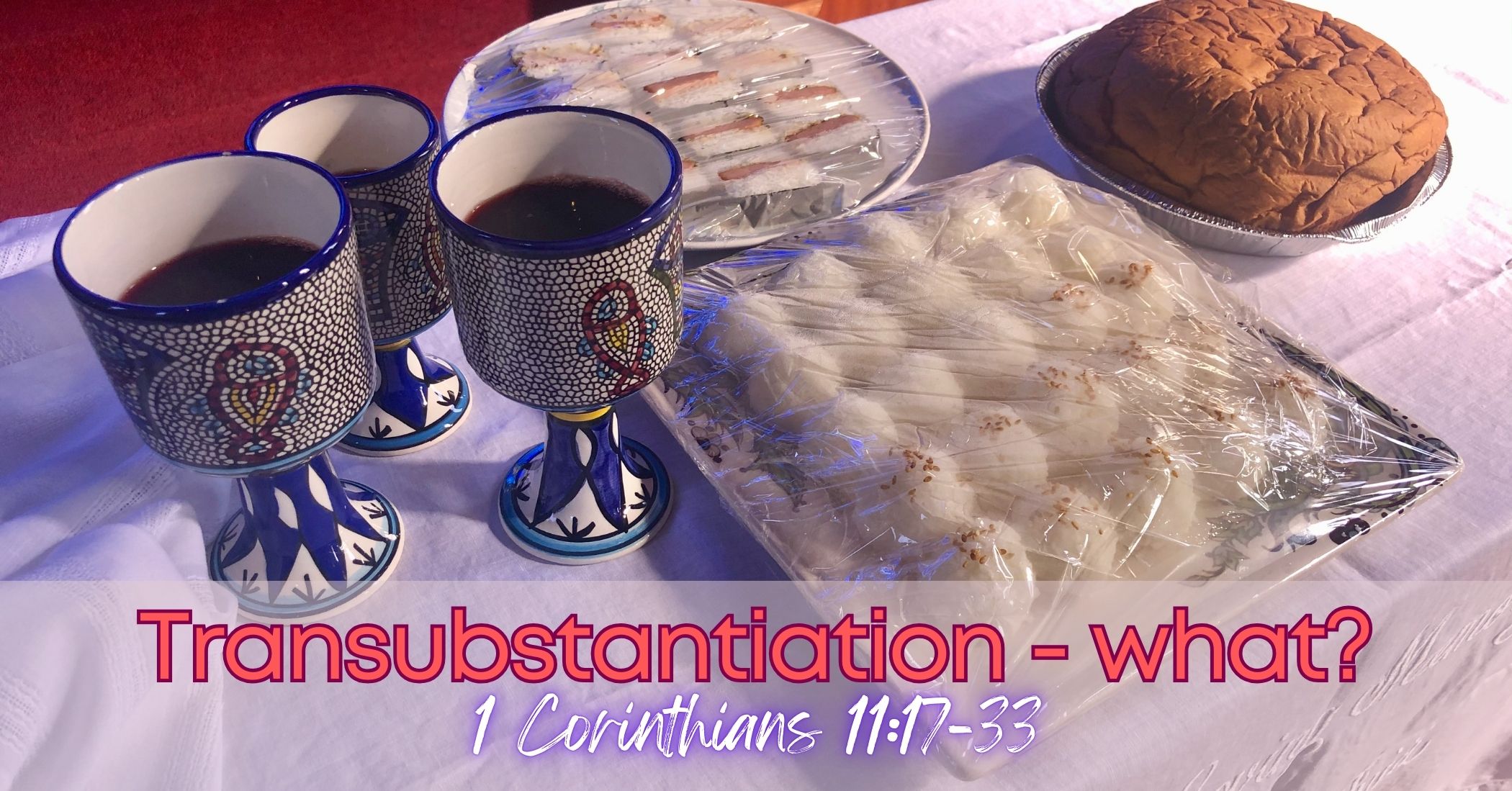
I feel like a liar when we do communion.
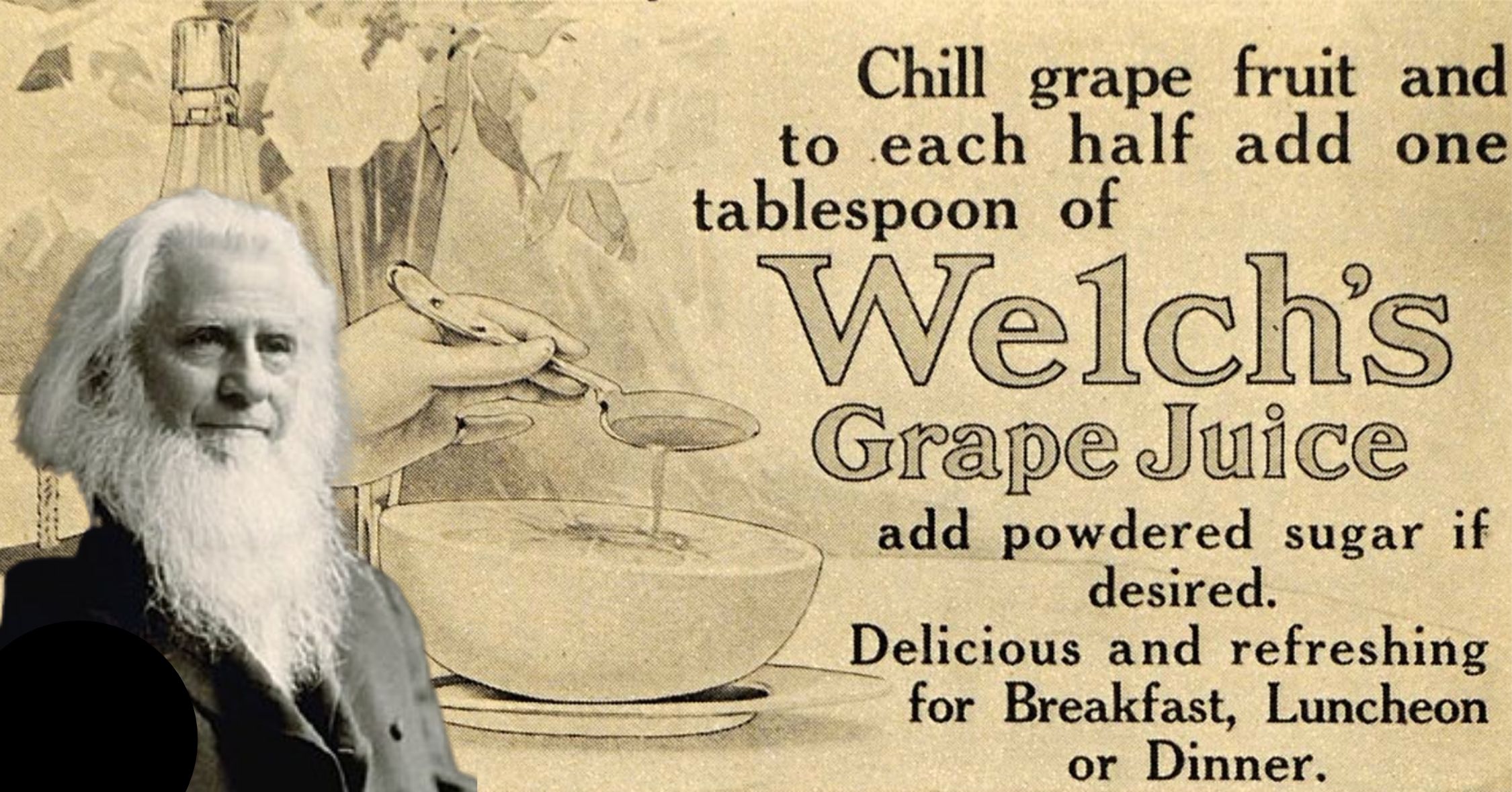
When I read aloud the part of our liturgy that says, “Pour out your Holy Spirit on us gathered here, and on these gifts of bread and wine,” I cringe inside because I know it’s not wine. The first time I came to worship at a Methodist church, I heard these words and was quite surprised when I dipped my bread and it tasted like grape juice. Because it was. Up until then, the only communion I had ever received was at a Catholic church (which I found out later I wasn’t supposed to do) and they always had wine. Honestly, it tasted better with the bread. Every Methodist church I’ve been to in America uses grape juice – the “unfermented juice of the grape.” So why do we say “bread and wine?” At first, I thought it was because it sounded cooler than “bread and grape juice.” Which it does. But there is actually a very rich history about using grape juice that is particularly thoughtful AND particularly Methodist. In the late 19th century, a Methodist dentist who took communion didn’t think using wine was such a good idea in worship. Methodists have always been temperance-minded and he wanted to uphold this idea even in Holy Communion. He found a way to pasteurize grape juice and began using it at his church where he was a communion steward. His name? Thomas Bramwell Welch – yes, that Welch. His son, Charles, also a dentist, eventually decided to bottle this new juice and market it to other temperance-minded churches – Methodist and otherwise – and it caught on.[1] He brought it to the 1893 Chicago World’s Fair and Welch’s Grape Juice was officially born. Today, Welch’s serves over 400 different products in 35 different countries including their famous grape jelly.[2] Our Book of Worship states that the use of grape juice “expresses pastoral concern for recovering alcoholics, enables the participation of children and youth, and supports the church’s witness of abstinence.”[3] But it’s also nice to support a family of Methodists who in their efforts to honor God created something that became world famous.
Holy Communion is one of only two sacraments we recognize in our church.
And as we shared last week, a sacrament is an outward and visible sign of an inward and spiritual grace. The other one of course is baptism. We celebrate those two because they were the two rites Jesus himself took part in. Another word for communion is “Eucharist” and it comes from the Greek meaning “to thank” or “thankfulness.” And for us, the heart of communion is about this thankfulness. We come to the table to offer our thanks for Jesus’ sacrifice on the cross and to remember how significant that sacrifice was. When we take the elements, the bread and the juice, we remember, we give thanks, and we experience Christ within us. Through the elements, we believe in the “real presence” of Jesus. And because we believe Christ is truly present communion for us is more than simply a remembrance. It’s where we encounter Christ. How this is done is a mystery, but we have faith that Christ is there. Our understanding of Holy Communion is different from our Catholic friends who believe the bread and wine ACTUALLY become the body and blood of Christ when it is consumed. They literally ingest God. The process is called “transubstantiation.” “Transubstantiation” – the transformation of the bread and wine into the real body and blood of Christ. For us it’s more than a remembrance, but not quite a literal encounter with God in the physical sense. Instead, we simply refer to it as a mystery. We know we encounter God in the elements and in the sacrament of Holy Communion, but we can’t define exactly how that happens. We just know that it happens and for us it is enough to know that God is here. After all, isn’t that what faith is all about? Believing in what we cannot see? It makes sense that faith is an element of communion.
But the most important part of communion is what we are going to share from Scripture.
In our reading Paul talks specifically about communion and he gives us an interesting perspective on our attitude as we approach the table. In this letter to the church at Corinth, Paul is really worried about the spiritual health of the congregation.[4] The people in Corinth are becoming divided. There are factions within the church, conflict over spiritual gifts, elitism of some of the members, immoral behavior and so on. And Paul writes this letter to help straighten them out. So today we’re going to read from Paul’s first letter to the Corinthians beginning with verse 17 and ending with verse 34.
17 In the following directives I have no praise for you, for your meetings do more harm than good. 18 In the first place, I hear that when you come together as a church, there are divisions among you, and to some extent I believe it. 19 No doubt there have to be differences among you to show which of you have God’s approval. 20 So then, when you come together, it is not the Lord’s Supper you eat, 21 for when you are eating, some of you go ahead with your own private suppers. As a result, one person remains hungry and another gets drunk. 22 Don’t you have homes to eat and drink in? Or do you despise the church of God by humiliating those who have nothing? What shall I say to you? Shall I praise you? Certainly not in this matter!
23 For I received from the Lord what I also passed on to you: The Lord Jesus, on the night he was betrayed, took bread, 24 and when he had given thanks, he broke it and said, “This is my body, which is for you; do this in remembrance of me.” 25 In the same way, after supper he took the cup, saying, “This cup is the new covenant in my blood; do this, whenever you drink it, in remembrance of me.” 26 For whenever you eat this bread and drink this cup, you proclaim the Lord’s death until he comes.
27 So then, whoever eats the bread or drinks the cup of the Lord in an unworthy manner will be guilty of sinning against the body and blood of the Lord. 28 Everyone ought to examine themselves before they eat of the bread and drink from the cup. 29 For those who eat and drink without discerning the body of Christ eat and drink judgment on themselves. 30 That is why many among you are weak and sick, and a number of you have fallen asleep. 31 But if we were more discerning with regard to ourselves, we would not come under such judgment. 32 Nevertheless, when we are judged in this way by the Lord, we are being disciplined so that we will not be finally condemned with the world.
33 So then, my brothers and sisters, when you gather to eat, you should all eat together. 34 Anyone who is hungry should eat something at home, so that when you meet together it may not result in judgment. – 1 Corinthians 11:17-34
The most important part of communion is not the bread and the juice.
And it’s not the words we use in worship. The most important part is our attitude as we approach the table. We should come to the table in joy, love, and thanksgiving. We should come with the full understanding that this table God sets for us is given because of what Jesus did on the cross. In the church at Corinth, some of the worshippers were turning Holy Communion into a potluck of Biblical proportions. I love potlucks, but the intent of the folks Paul was writing about was far short of holy remembrance. Some people were coming to gorge themselves on food. Some were coming in drunk. They were not coming to worship God or to remember what Christ had done for them on the cross. And Paul was saying this was a sure way to stay separated from God. When Paul says in verse 28 that “everyone ought to examine themselves before they eat of the bread and drink from the cup,” he’s saying they need to remind themselves before they take the elements how much in need they are of God’s grace and forgiveness. This is what it means to “do this in remembrance of me.” Paul follows up in verse 29, “For those who eat and drink without discerning the body of Christ eat and drink judgment on themselves.” What does it say about us as followers of Christ if we have no respect for Christ and the great sacrifice he made on our behalf? How can we draw closer to God when we behave like God doesn’t matter?
One of the greatest honors for me is to serve communion.
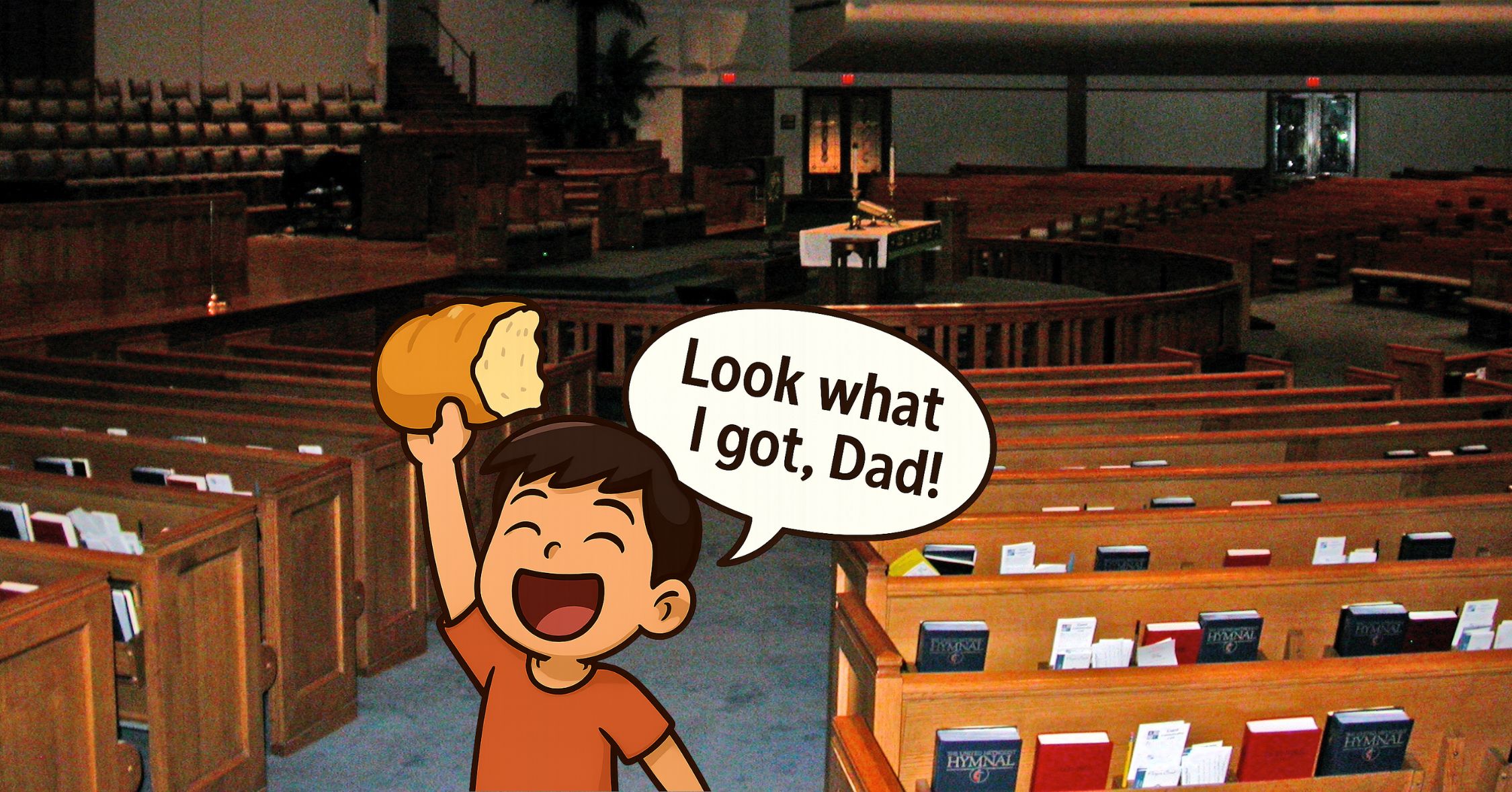
To me, it’s definitely one of the perks of being a pastor. When I was attending my home church in Alpharetta, GA, my pastor asked me one day if I would like to be one of the communion stewards and I quickly agreed. As the time came for us to offer communion, we were standing up in the front and we each received the elements to share. I was in charge of the bread in my section and this little boy came up to me. And as I offered him the bread, he GRABBED it with all his might and took out a chunk that clearly could not fit inside his mouth and he turned toward his father with joy on his face and said in a loud voice in the middle of worship, “Look what I got, Dad!” Everyone laughed, but we can all learn something from this little boy’s enthusiasm. Is this the kind of hunger you have? Do you have the joy of a child when you come to the table? The next time you come to communion, I hope you take it and enjoy it with all the enthusiasm of that little boy and embrace the love God has for you.
[1] http://www.gbod.org/lead-your-church/holy-communion/resource/changing-wine-into-grape-juice-thomas-and-charles-welch-and-the-transition-
[2] Welch’s no longer posts this story on their webpage, but that’s initially where I got the information. Today they use a more interactive website but it doesn’t go into this kind of detail. However the UMC does have a version of this story from the Methodist POV.
[3] http://archives.umc.org/interior.asp?ptid=1&mid=1339
[4] Information about the state of Corinth comes from the Archaelogical Study Bible (NIV), p.1863.
 Craig's Corner