
The McDonald’s Connection
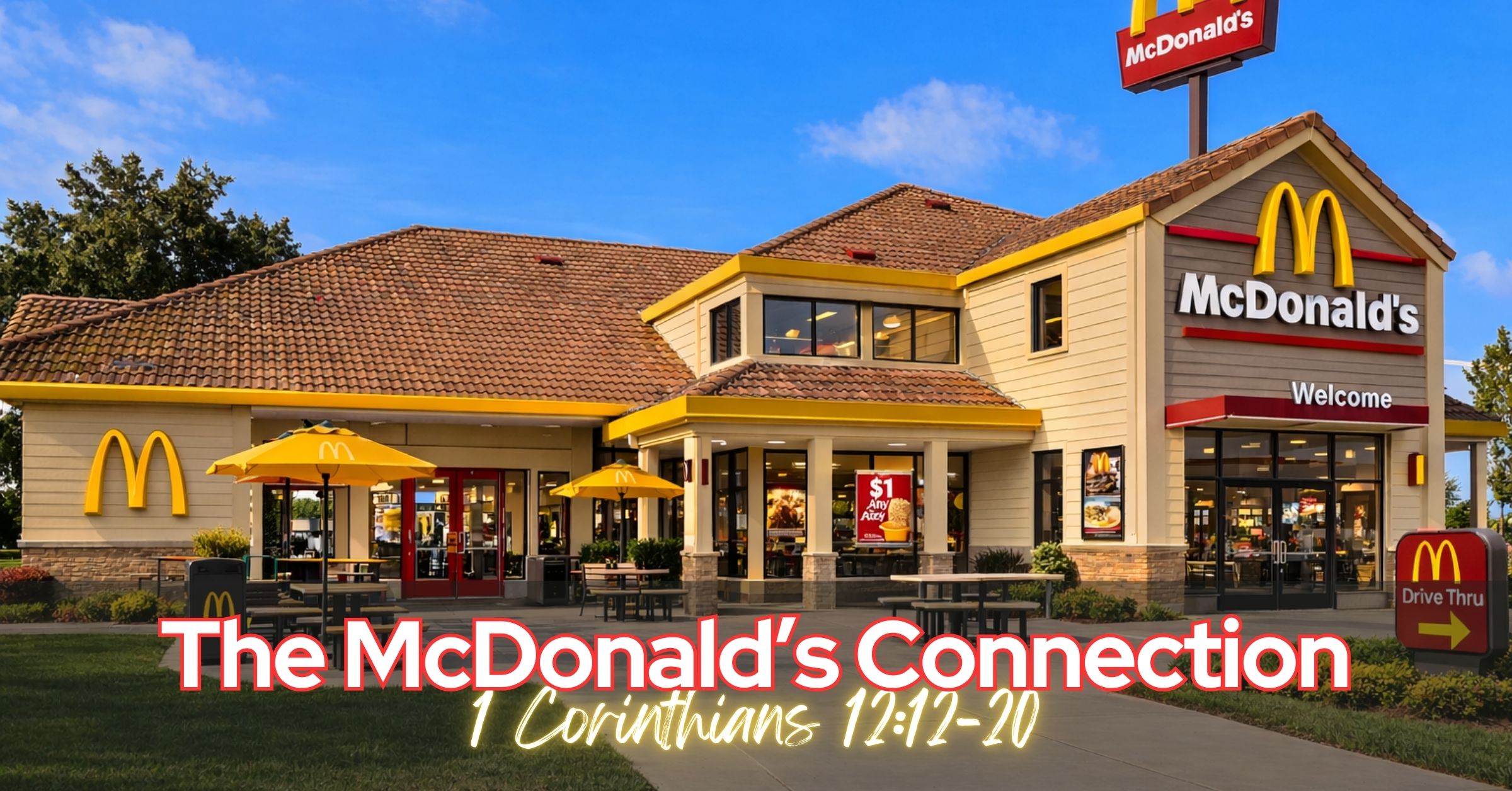
12 Just as a body, though one, has many parts, but all its many parts form one body, so it is with Christ. 13 For we were all baptized by[c] one Spirit so as to form one body—whether Jews or Gentiles, slave or free—and we were all given the one Spirit to drink. 14 Even so the body is not made up of one part but of many.
15 Now if the foot should say, “Because I am not a hand, I do not belong to the body,” it would not for that reason stop being part of the body. 16 And if the ear should say, “Because I am not an eye, I do not belong to the body,” it would not for that reason stop being part of the body. 17 If the whole body were an eye, where would the sense of hearing be? If the whole body were an ear, where would the sense of smell be? 18 But in fact God has placed the parts in the body, every one of them, just as he wanted them to be. 19 If they were all one part, where would the body be? 20 As it is, there are many parts, but one body. – 1 Corinthians 12:12-20
We are the McDonald’s of churches.
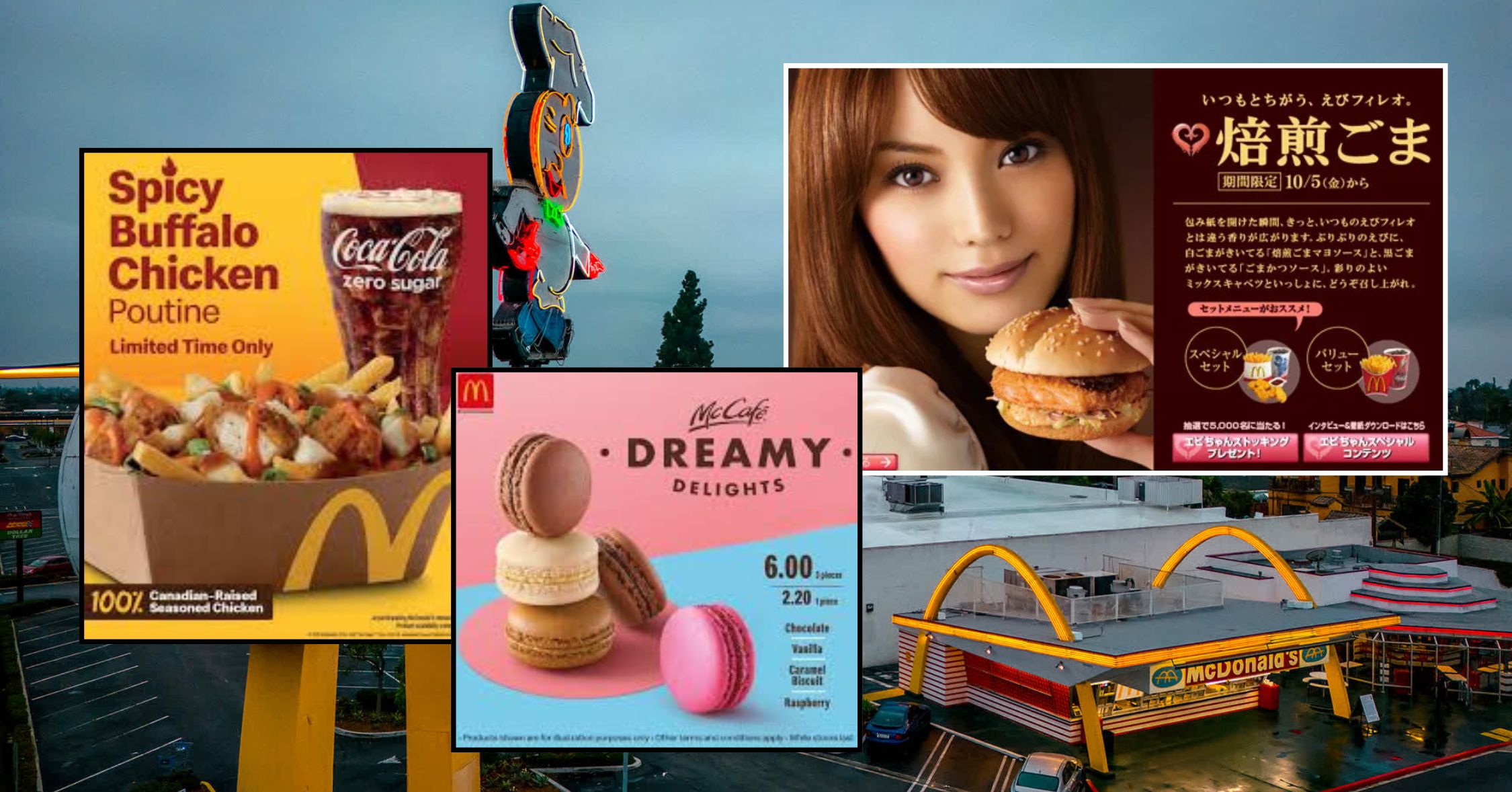
Growing up, I never even considered that McDonald’s might sell different things in different places. That is until I saw the movie Pulp Fiction. Even if you haven’t seen it, you might know the scene. Vincent and Jules are driving in a car together and Vincent tells Jules it’s the little things in Europe that are funny and as an example he asks Jules, “You know what they call a Quarter Pounder with Cheese in Paris?” And Jules responds, “They don’t call it a Quarter Pounder with Cheese?” Vincet replies, “No man, they got the metric system…They call it a Royale with Cheese.” Never even considered that before. About a dozen years later, I’m in Hawaii for the first time and we passed by a McDonald’s on the way to our hotel and I was shocked to see they served Portuguese Sausage and Eggs as a breakfast item! What?! Wow. Not only did they call things by different names, but they had also completely different menu items in different places. That was what began my fascination with McDonald’s. To me it was so cool that I could go to any McDonald’s around the world and eat from the comforts of home, but ALSO that I could go different places and try different things at the same place. I’ve been blessed to travel to different countries around the world (thanks mostly to Cassie and frequent flyer miles) and in each place we go I try to stop by a local McDonald’s just to see what they have, even if I don’t try the food. In Canada, no surprise, they sell poutine which is fries covered in gravy with cheese curds. We happened to be in Quebec, home of the poutine, where they sell the exclusive Spicy Buffalo Crispy version.[1] In France they sell macarons in the McCafé made by the same company that makes them for the very famous macaron store, Laduree.[2] And in Japan they have both the Filet-O-Fish AND the Ebi Filet-O which is a shrimp version served with lettuce instead of cheese.[3] It’s pretty fascinating the breadth and depth of things they sell to customize to the local population. In the Philippines, in order to compete with Jollibee, they introduced the McSpaghetti with a more sweet-flavored sauce than the standard American version.[4] Jollibee is so big it’s one of the few chains that McDonald’s has to play catch up with.
The United Methodist Church that we are a part of operates in a similar way.
We are uniquely local and globally distinct. Now more than ever. At the last General Conference which is an international gathering of every local conference in the world, they passed a resolution to allow for even more distinct flavors of Methodism while still adhering to a common belief system. In that way, we are a lot like McDonald’s. Every United Methodist Church abides by a common set of rules, a common book of worship, and a common hymnal, but variations from place to place and even within a country are totally normal. Take communion for example. When Cassie and I were looking for a church to call home, we found one church that used King’s Hawaiian bread for communion. That one got my vote right away. One time when I was serving at a church, we didn’t have a loaf of bread available, so when I lifted the cloth covering the elements, I found two pieces of Wonder Bread waiting for me. There was something lovable and humbling about that moment. Some churches serve communion by intinction, meaning you dip the bread into the cup, and others have individual servings like we do. Yet we all have the same basic structure to communion that remains the same in every church globally. Uniquely local and globally distinct.
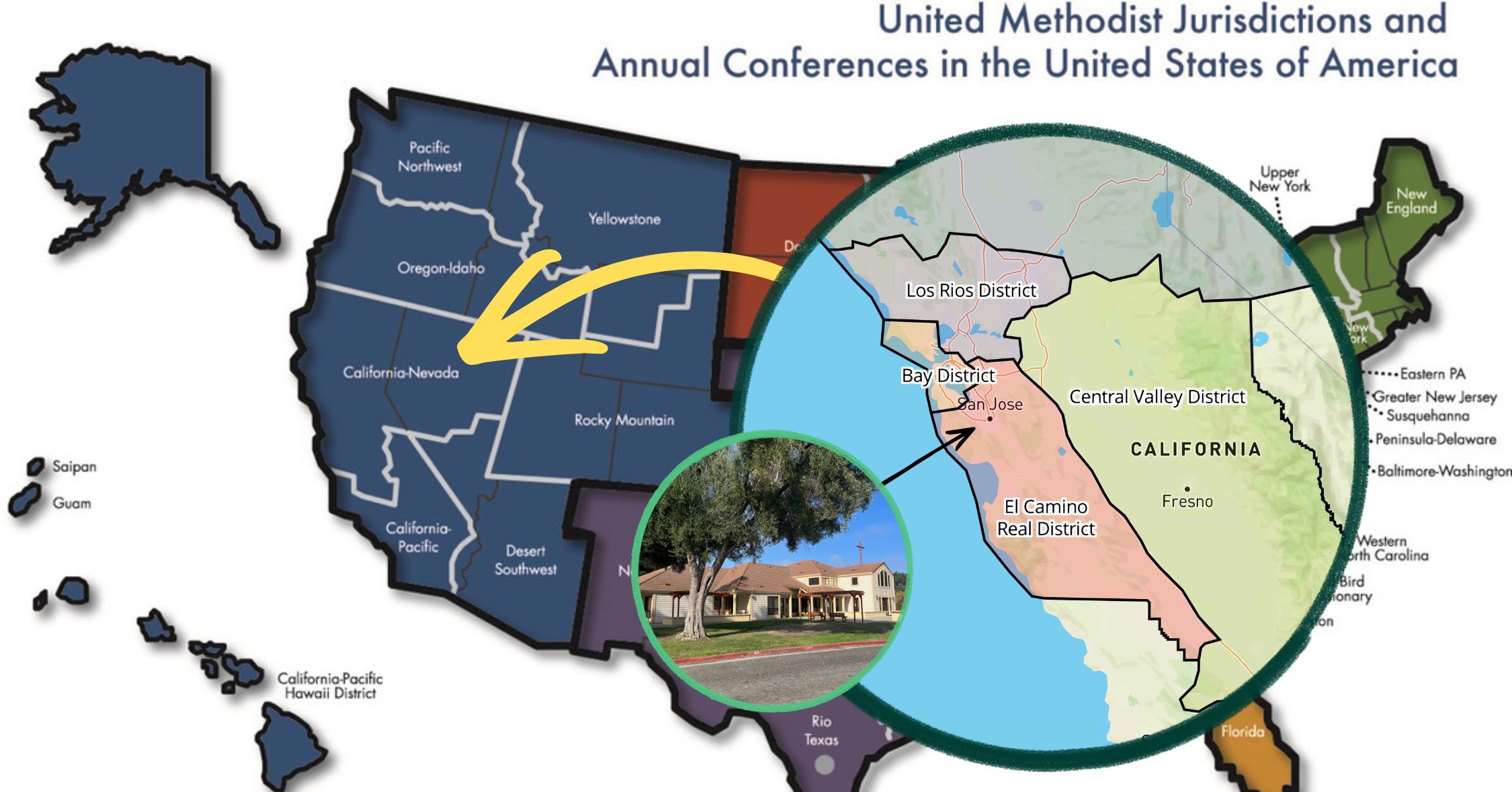
We have what is called a connectional system.
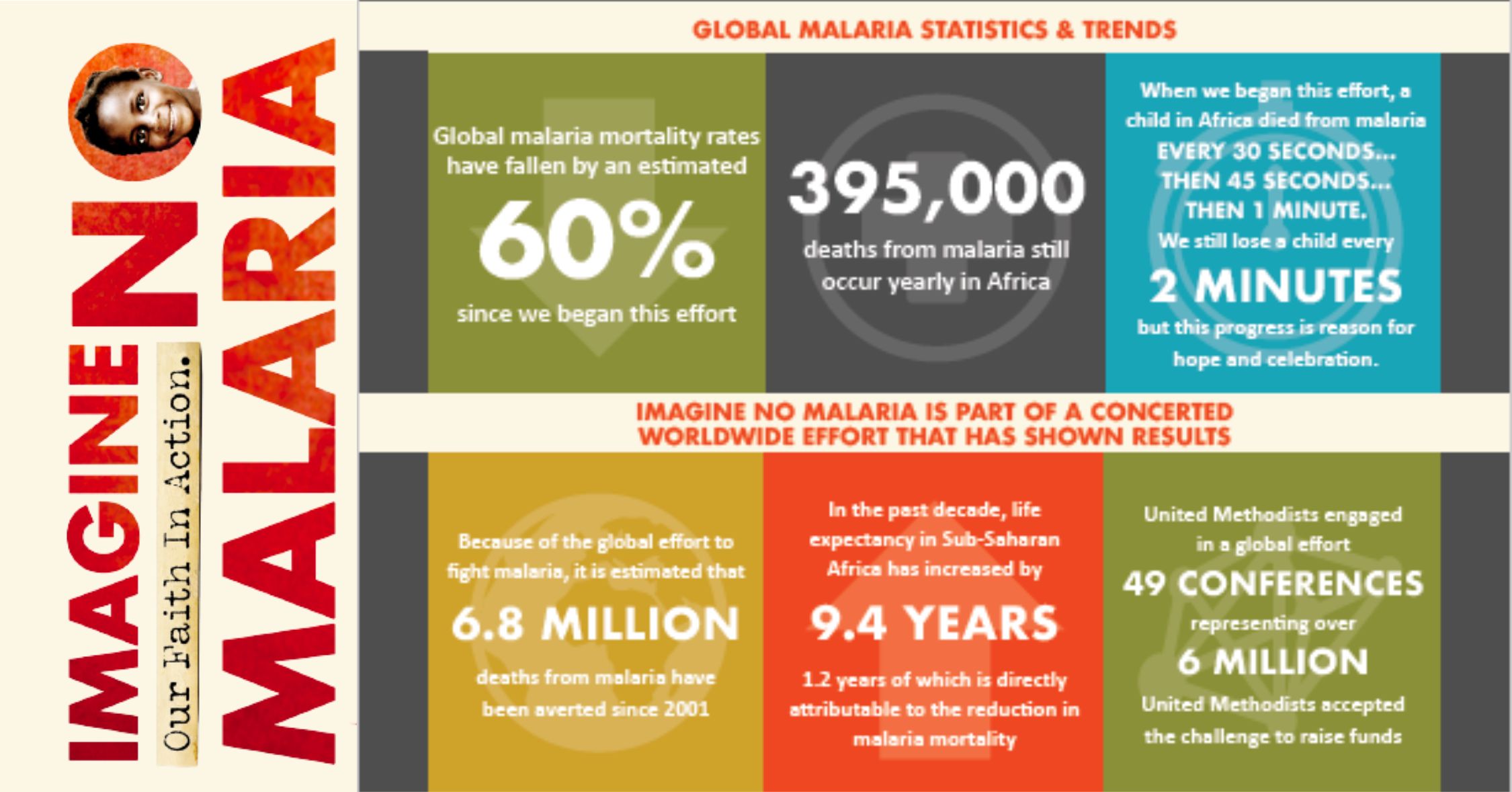
Our church is part of a district, which is part of a conference, which is part of a jurisdiction, which is part of a region, which is part of the global church. We make decisions about how we will operate as a church together. We decide together the things we believe and stand up for. And at the same time the local church like ours has incredible autonomy. We decide how to use our funds. We decide how we do worship. We decide what activities and groups we create and support. Believe it or not, my favorite part about being a connectional church is apportionments. If you know what apportionments are you are probably surprised because most people think of them as a tax on the local church. If you don’t know, apportionments are the amount of money we give to the conference to support not only our Bishop and the Cabinet and the work they do for the conference, but to support the global church as well. Ten cents of every dollar donated goes to the wider church with most of that staying in our conference. Only two cents of every dollar goes to the global church, but it’s amazing what those “two cents” can do. Imagine No Malaria was a campaign of the United Methodist Church to help drive out the devastating and completely preventable deaths caused by the disease in sub-Saharan Africa. Launched in 2010, in the seven years the program was in place it has been estimated that it saved 6.8 MILLION lives and life expectancy increased by 9.4 years – 1.2 of which are directly attributed to stopping malaria from killing people.[5] Sadly, there is still a long way to go. Could our church have done the same on its own? Sure, we could have sent nets to Africa, but the combined efforts of our global church not only provided funding for the initiatives that saved lives, but also the people and the organization to distribute aid productively. So when someone says if you’d like to add your two cents, say “yes please, I just might be saving lives.” We can do more together than any one church can do by itself.
That’s why this passage from 1 Corinthians is meaningful.
Each one of our churches, each one of YOU is important to the body of Christ. And even though we have differences we are united by a common cause – to help people around the world and in our homes know the love of Jesus Christ. By ourselves that would be tough, but working together, we can do so much more, have such a bigger effect, and make a bigger difference in the world. We continue to work with other churches outside of the United Methodist Church to strengthen ties and to work toward becoming the body of Christ that Jesus envisioned. But because we are human, it is a long and slow process but one that gives us hope for a better future.
What makes McDonald’s so successful isn’t their gourmet burgers.
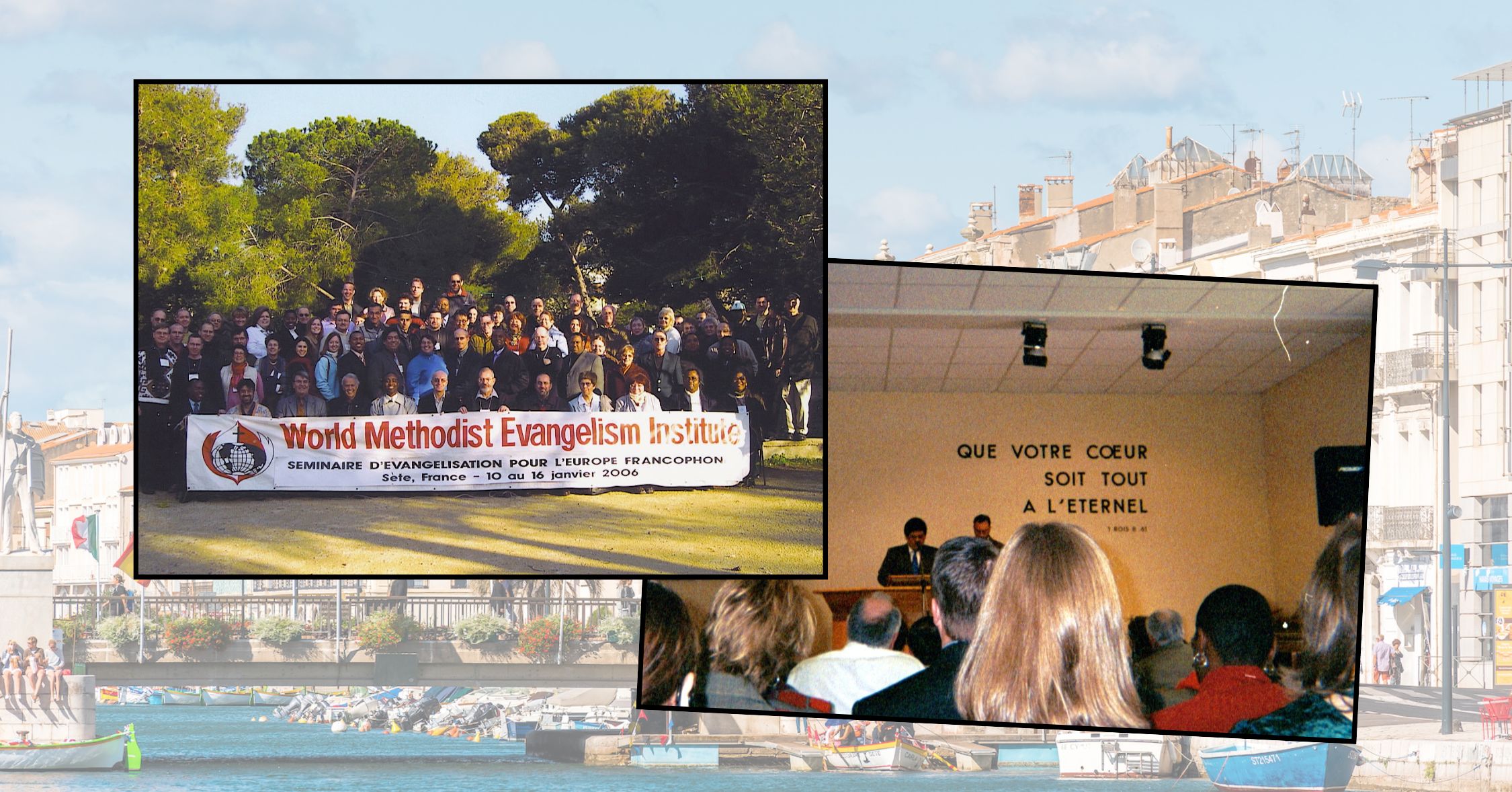
It’s the consistency of their product found wherever you go. The same taste and flavor you remember growing up you can find in just about any part of the world. And that is comforting. But McDonald’s also strives to honor the places they inhabit. They like to reflect the local desires and tastes of the people they serve and sometimes those local inventions go on to change the entire company. The McFlurry was invented in Canada, the Happy Meal was invented in Guatemala City, and the Filet-O-Fish was developed by an owner in Cincinnati, Ohio who wanted to serve his Catholic customers something good to eat on Friday during Lent. The same is true for our church. We can go into any Methodist church in the country and even the world and it will feel familiar, but each place will add their own twist to it. When I was a seminary student, I had the incredible opportunity to join the World Methodist Evangelical Institute in a little seaside town called Sete. We were given the chance to worship with different local churches around the city and I even was invited to read a piece of Scripture (in English) to the congregation. Afterward, we celebrated communion together using actual wine that the pastor’s wife had made in her own backyard vineyard! Because of French culture, it’s one of the only places they use actual wine instead of grape juice and to have it made by the pastor’s wife was a blessing. Each church is part of the greater body and while we can be unified in our beliefs, each one of us adds something different to the mix, but all of us are important to what we hope to accomplish – to share the love of Christ with the world.
[1] Gary He, McAtlas, (Princeton, NJ: Parla Publishing, 2024), 68. For more on all of these wacky and fun dishes you can check out his book!
[2] Ibid. 156 – I’m even finding out more in depth stuff!
[3] Ibid. 275.
[4] Ibid, 333.
[5] From the summary of the Imagine No Malaria campaign. If the link doesn’t work, just look up Imagine No Malaria in your browser.
 Craig's Corner